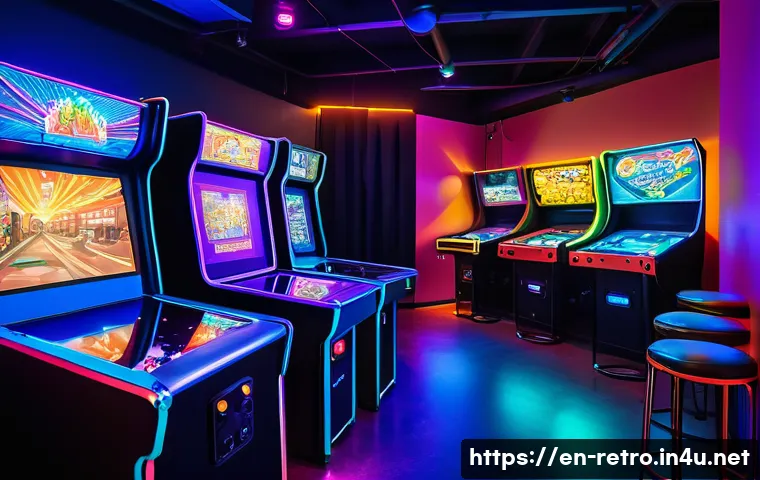
In recent years, the resurgence of classic games has sparked a fascinating revival in gaming communities worldwide. Many gamers find comfort and nostalgia in revisiting timeless titles, while PC cafes continue to serve as vibrant social hubs where players gather to share their passion.
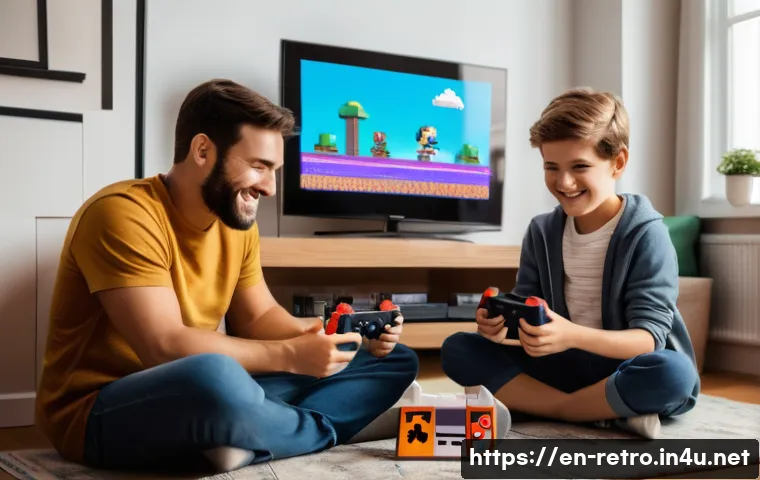
These spaces blend the charm of retro gaming with modern connectivity, creating unique experiences that transcend generations. Whether you’re a longtime fan or new to the scene, exploring the culture surrounding PC gaming and retro favorites offers rich insights into how gaming evolves.
Let’s dive deeper into this intriguing blend of past and present!
The Social Pulse of Modern Gaming Spaces
Reimagining the Local Gaming Hangout
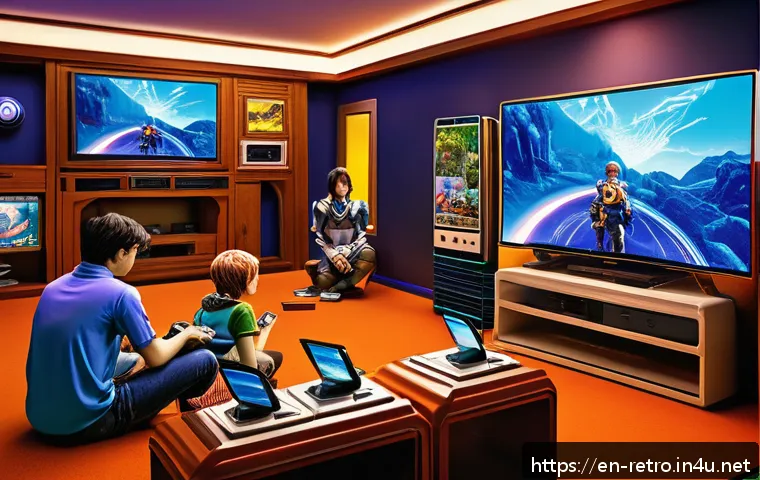
In today’s gaming landscape, local gaming venues have evolved far beyond simple setups with a few PCs. These spaces now serve as vibrant social hubs where gamers come not just to play but to connect and build communities.
What’s fascinating is how these venues blend retro elements—like classic arcade cabinets or vintage game tournaments—with cutting-edge technology such as high-refresh-rate monitors and VR zones.
Walking into one of these places, you’re greeted by a buzz of excitement, the clatter of keyboards, and animated conversations about strategies or the latest game updates.
It’s a hybrid environment that honors the past while embracing the future, making it a unique place for gamers of all ages to mingle.
Building Friendships Through Shared Challenges
One of the reasons these gaming spaces remain so popular is the camaraderie they foster. Unlike solo gaming at home, here players face challenges together, whether it’s teaming up for a raid or competing in a local tournament.
I’ve noticed that these shared experiences often lead to friendships that extend beyond the game, sometimes even lasting years. The atmosphere encourages informal mentorship too—seasoned players naturally guide newcomers, making the scene welcoming rather than intimidating.
It’s this sense of belonging that keeps people coming back, fueling a cycle of engagement and community growth.
Accessibility and Inclusivity in Physical Gaming Hubs
Physical gaming venues have also become more accessible and inclusive, reflecting a broader shift in the gaming culture. Many now offer spaces designed for different skill levels and interests, from casual players looking to unwind to hardcore gamers chasing competitive glory.
Accessibility features, such as adjustable equipment and inclusive community guidelines, are increasingly common, helping to break down barriers for players with disabilities or those new to gaming.
This inclusivity broadens the appeal and enriches the community, making it a place where diversity is celebrated and everyone feels welcome.
Timeless Appeal of Retro Games in a Digital Era
Why Classic Titles Still Captivate Players
Retro games possess a timeless charm that continues to captivate gamers despite the rapid advancements in graphics and gameplay mechanics. From pixel art aesthetics to memorable soundtracks, these games evoke strong nostalgia while offering gameplay that’s often more straightforward and addictive.
I’ve found that revisiting these classics can be a refreshing break from the complexity and scale of modern games. They remind players of gaming’s roots, emphasizing fun and creativity over spectacle.
This enduring appeal is why many game developers are even remastering or re-releasing old favorites, ensuring new generations can experience them firsthand.
The Role of Nostalgia in Gaming Choices
Nostalgia plays a powerful role in why gamers flock to classic titles. Many of us associate these games with fond memories—whether it was playing with friends after school or bonding with family on weekends.
That emotional connection goes beyond the screen, sparking feelings of comfort and familiarity. Interestingly, nostalgia can also enhance the gaming experience by creating a unique emotional layer that modern games sometimes lack.
I’ve noticed that communities built around retro games tend to be tightly knit, sharing stories and memories that deepen their appreciation for these timeless gems.
Bridging Generations Through Shared Play
Classic games also serve as a bridge between generations, connecting parents and children, or older and younger gamers, through shared play experiences.
I’ve seen families pass down consoles and cartridges as heirlooms, fostering intergenerational bonds. This shared cultural touchstone helps younger players understand the evolution of gaming while allowing older players to revisit their youth.
Events that celebrate retro games, like themed tournaments or meetups, often attract a diverse crowd united by their love for these titles, creating a sense of continuity in gaming culture.
Modern Technology Enhancing Retro Experiences
Emulators and Digital Archives
One of the greatest advances supporting the retro gaming revival is the rise of emulators and digital archives. These tools allow players to experience classic games on modern hardware without needing the original consoles.
I’ve personally enjoyed using emulators because they offer enhanced features like save states, customizable controls, and even graphical improvements.
Digital archives also play a crucial role in preserving gaming history, ensuring that rare or obscure titles remain accessible to enthusiasts worldwide.
This tech-driven preservation helps keep the legacy of classic games alive in an era dominated by rapid innovation.
Online Communities and Streaming Platforms
Streaming platforms and online communities have also breathed new life into retro gaming culture. Platforms like Twitch and YouTube provide spaces where fans can share playthroughs, speedruns, and retrospectives that celebrate these classics.
Engaging with these communities has been eye-opening for me—seeing how passionate and knowledgeable players are keeps the spirit of retro gaming vibrant.
Additionally, online leaderboards and multiplayer mods introduce competitive and social dimensions that were impossible or limited in the original releases, creating fresh reasons to revisit old favorites.
Hybrid Events: Bringing Virtual and Physical Worlds Together
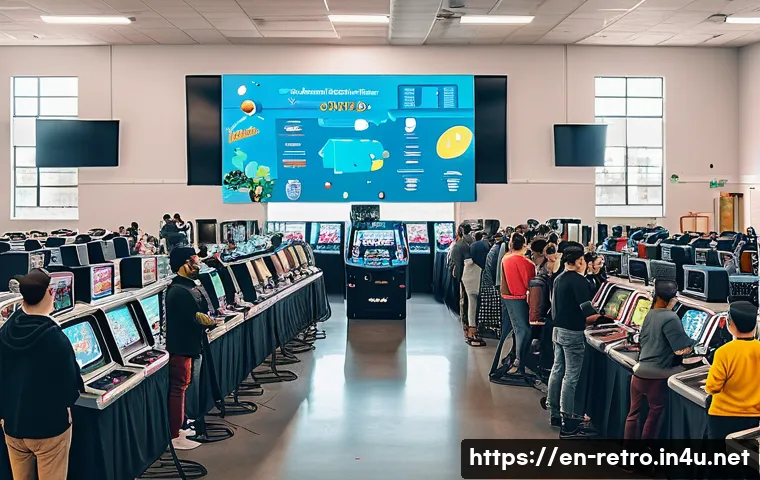
Hybrid gaming events that combine virtual participation with physical meetups have become a popular trend, especially in the retro scene. These events allow players from around the globe to join tournaments or watch live streams while local gatherings provide social interaction and hands-on experiences.
I attended one such event recently, and it was incredible to see the energy in the room while also chatting with online participants. This blending of digital and real-world elements expands accessibility and enriches the communal atmosphere, making retro gaming celebrations more inclusive and dynamic.
Economic Impact of Nostalgia on the Gaming Industry
Market Growth Driven by Retro Titles
The resurgence of retro games has had a noticeable impact on the gaming market. Many publishers have recognized the commercial potential of nostalgia, leading to a surge in remakes, remasters, and retro-inspired indie titles.
From my observation, this trend isn’t just about profit—it reflects a genuine demand from gamers eager to reconnect with classics or discover them anew.
Sales figures for retro collections and re-releases consistently show strong performance, sometimes rivaling brand-new AAA releases. This economic momentum encourages ongoing investment in preserving and revitalizing older games.
Merchandising and Collectibles
Another economic facet linked to retro gaming is the booming market for collectibles and merchandise. Limited edition consoles, replica cartridges, and themed apparel have become popular among enthusiasts.
I’ve seen collectors willing to pay premium prices for mint-condition items or rare memorabilia. This collector culture adds an extra layer of engagement, turning gaming into a lifestyle rather than just a pastime.
It also supports smaller businesses and creators who craft unique retro-inspired products, further enriching the ecosystem around classic games.
Revenue Models in Gaming Venues
Physical gaming venues have adapted their revenue models to capitalize on retro gaming’s popularity. Many offer subscription packages or hourly rates that include access to both modern and classic games, attracting a broader customer base.
Some even organize regular retro tournaments or themed nights, which boost foot traffic and generate additional income through food, drinks, and merchandise sales.
Based on my visits to these venues, this multifaceted approach not only sustains business but creates a more engaging and memorable experience for patrons.
Comparing Popular Retro Titles and Their Modern Equivalents
| Game Title | Original Release Year | Core Appeal | Modern Equivalent | Key Differences |
|---|---|---|---|---|
| Super Mario Bros. | 1985 | Simple, tight platforming with iconic level design | Super Mario Odyssey (2017) | 3D open-world exploration vs. 2D linear stages |
| Street Fighter II | 1991 | Competitive fighting with distinct characters | Street Fighter V (2016) | Enhanced graphics, online multiplayer, more complex combos |
| The Legend of Zelda | 1986 | Exploration and puzzle-solving in a fantasy world | Breath of the Wild (2017) | Open world, physics-based puzzles, nonlinear gameplay |
| Pac-Man | 1980 | Simple maze chase with increasing difficulty | Pac-Man 256 (2015) | Endless runner style, power-ups, modern visuals |
| Tetris | 1984 | Classic block puzzle with timeless appeal | Tetris Effect (2018) | Immersive visuals and music, VR support |
Community-Driven Preservation and Innovation
Fan Projects and Modding Culture
One of the most inspiring aspects of retro gaming’s revival is the passionate fan base dedicated to preserving and enhancing these classics. Fan-made remakes, mods, and translations breathe new life into games that might otherwise fade into obscurity.
I’ve explored several community projects where enthusiasts reconstruct entire games with modern tools, often improving graphics or adding new content while respecting the original spirit.
This grassroots creativity not only preserves history but also pushes the boundaries of what these games can offer.
Open Source and Legal Challenges
While fan projects enrich the retro gaming ecosystem, they also face legal and ethical challenges related to intellectual property. Developers and publishers sometimes take a protective stance, limiting what fans can do with their beloved titles.
Navigating this landscape requires a delicate balance between honoring creators’ rights and supporting community efforts. From my experience engaging with these communities, open dialogue and collaboration tend to yield the best outcomes, fostering mutual respect and innovative preservation.
Educational Value and Historical Insight
Beyond entertainment, retro games serve as valuable educational tools and historical artifacts. They offer insights into the evolution of game design, storytelling, and technology.
I’ve seen educators incorporate classic games into curricula to teach programming basics, design principles, and cultural history. This perspective elevates retro games from mere nostalgia to important cultural documents that inform and inspire future generations of developers and players alike.
Future Trends in Retro and PC Gaming Culture
Integration of Augmented Reality and Classic Gameplay
Looking ahead, the fusion of augmented reality (AR) with retro gaming mechanics promises exciting new experiences. Imagine classic titles brought to life in your living room or local gaming space, where physical and digital worlds merge seamlessly.
I’ve tested early AR demos that overlay pixelated characters onto real-world environments, adding fresh layers of interaction and immersion. This blend could redefine how we engage with timeless games, making them more dynamic and accessible.
Expanding Inclusivity and Global Reach
The ongoing expansion of internet connectivity and localized content is making retro and PC gaming culture more inclusive and global. Players from diverse backgrounds can now access and contribute to gaming communities previously limited by geography or language.
I’ve noticed forums and streaming channels flourishing with multilingual content and cultural exchange, which enriches the collective gaming experience and fosters a more welcoming environment worldwide.
Sustainability and Eco-Friendly Gaming Practices
Sustainability is becoming a growing concern in gaming culture, including retro and PC gaming. Many venues and developers are exploring ways to reduce environmental impact through energy-efficient hardware, digital distribution, and recycling programs.
During my visits to modern gaming hubs, I observed initiatives like LED lighting, power-saving PCs, and awareness campaigns promoting responsible consumption.
These efforts reflect a broader trend of conscious gaming, aligning passion with environmental stewardship.
Closing Thoughts
The evolving landscape of gaming spaces beautifully blends nostalgia with modern innovation, creating vibrant communities that celebrate both past and present. From shared experiences to technological advances, these trends enrich how we connect and play. Embracing inclusivity and sustainability ensures gaming remains a dynamic and welcoming culture for everyone. As retro and modern worlds continue to merge, the future of gaming holds exciting possibilities for all enthusiasts.
Useful Information to Keep in Mind
1. Local gaming venues now offer a unique social experience, combining retro charm with cutting-edge technology to foster community bonding.
2. Shared challenges in gaming spaces promote lasting friendships and mentorship, making these hubs welcoming and engaging.
3. Accessibility and inclusivity are central to modern gaming venues, creating diverse environments where players of all backgrounds feel valued.
4. Retro games remain popular due to their timeless gameplay and the powerful nostalgia they evoke, bridging generations and cultures.
5. Advances like emulators, streaming, and hybrid events expand access to retro gaming, while community-driven projects preserve and innovate classic titles.
Key Takeaways
Modern gaming spaces thrive by merging nostalgic elements with contemporary technology, cultivating strong communities through shared experiences and inclusivity. The enduring appeal of retro games is fueled by emotional connections and cultural significance, supported by technological tools that preserve and enhance these classics. Economic trends show that nostalgia drives both market growth and innovative business models, while community efforts contribute to preservation and education. Looking forward, integration of augmented reality, global connectivity, and sustainable practices promise to shape the future of gaming culture in meaningful ways.
Frequently Asked Questions (FAQ) 📖
Q: Why are classic games making a comeback in modern gaming communities?
A: Classic games are resurging because they offer a sense of nostalgia and simplicity that many modern games sometimes lack. Players appreciate the straightforward gameplay, memorable storylines, and pixel art styles that evoke fond memories from their childhood or early gaming days.
Additionally, with the rise of digital platforms and emulators, accessing these timeless titles has become easier than ever. This accessibility, combined with a longing for the “good old days,” has fueled a vibrant revival where both older and younger generations can connect over shared gaming experiences.
Q: How do PC cafes contribute to the social aspect of gaming today?
A: PC cafes remain essential social hubs where gamers gather not just to play, but to build friendships and engage in lively community events. Unlike solo gaming at home, these venues offer a lively atmosphere filled with friendly competition, team play, and face-to-face interactions.
From casual matches to organized tournaments, PC cafes provide a space that blends retro charm with modern connectivity—think high-speed internet, streaming setups, and comfortable seating.
For many, visiting a PC cafe is about more than gaming; it’s about belonging to a community where passion for games is shared and celebrated.
Q: What can newcomers expect when exploring retro gaming culture today?
A: Newcomers diving into retro gaming culture can expect a welcoming environment rich with history and enthusiasm. They’ll find that many gamers are eager to share stories, tips, and even hardware setups from past decades.
Retro gaming isn’t just about playing old titles; it’s an exploration of how games have evolved and influenced today’s industry. Whether through online forums, local meetups, or PC cafes, new players can discover the joy of classic gameplay mechanics, appreciate the artistry behind pixel graphics, and feel connected to a community that values both tradition and innovation.