When Dungeon Fighter Online first launched, players were introduced to a diverse roster of characters, each with unique skills and playstyles that set the foundation for the game’s enduring popularity.
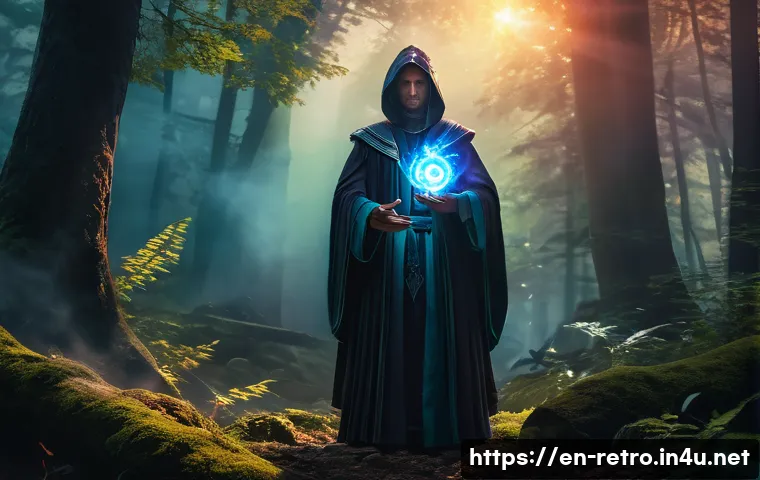
These early characters not only defined the gameplay experience but also helped build a strong community of dedicated fans. Exploring their abilities and backgrounds reveals how the game balanced complexity and accessibility, making it approachable yet deeply engaging.
Over time, these characters have evolved, but their original charm remains a nostalgic touchstone for many players. If you’ve ever wondered what made those first heroes so special, you’re in the right place.
Let’s dive in and uncover the fascinating details together!
Foundations of Early Character Classes
Distinctive Combat Roles and Player Appeal
When Dungeon Fighter Online first launched, each character class was designed with a clear combat role that appealed to different playstyles. From the heavy-hitting, tank-like Fighters to the nimble, combo-oriented Slayers, players could immediately find a character that matched their preferred approach to battle.
What really stood out was how these roles were not just stereotypes; each class had nuances that allowed for deep customization through skill choices.
For example, the Mage’s ability to switch between elemental magic or summoning spells gave players a sense of control and creativity that kept gameplay fresh.
This diversity created a playground where experimentation was encouraged, and no two players would experience the game the same way.
Balancing Accessibility with Depth
One of the impressive things about the original characters was how the developers struck a balance between accessibility for newcomers and complexity for veterans.
Basic attacks and combos were easy enough for beginners to pick up, but mastering the timing and synergy of advanced skills required dedication. The skill trees were intuitive yet layered, allowing players to gradually explore more powerful abilities without feeling overwhelmed.
This design choice fostered a welcoming environment for new players while rewarding those who invested time in learning the mechanics. I remember trying out the Gunner class for the first time and being impressed by how quickly I could perform simple combos, yet also motivated to unlock more intricate skills as I progressed.
Character Lore That Enhances Engagement
Beyond gameplay mechanics, the early characters came with intriguing backstories that added emotional weight to their actions. Each hero had a unique motivation, whether it was seeking revenge, protecting loved ones, or uncovering ancient mysteries.
This storytelling element made players more invested, as their journey wasn’t just about defeating monsters but also about unfolding personal narratives.
The lore was subtly woven into the quests and skill animations, creating a richer gaming experience. Players often shared fan theories and stories, which helped build a vibrant community around these characters.
It’s fascinating how a well-crafted backstory can elevate a character from a mere avatar to a memorable hero.
Skill Evolution and Player Adaptation Over Time
Initial Skill Sets and Their Impact on Playstyle
The original skill sets laid the groundwork for how players approached combat strategy in Dungeon Fighter Online. Many early abilities focused on chaining attacks smoothly, promoting a rhythmic flow to battles.
For example, the Slayer’s slash combos demanded precise timing, rewarding players who mastered the sequence with devastating damage. Meanwhile, the Priest’s healing and buff skills introduced a supportive role that was crucial in group play, encouraging teamwork.
I found that experimenting with these skills early on was essential to finding a personal rhythm, and it made me appreciate how each character could shine in different scenarios.
How Skill Trees Encouraged Experimentation
Skill trees in the early game were thoughtfully crafted to encourage players to experiment and find their own niche. Instead of forcing a linear progression, players could mix offensive, defensive, and utility skills to tailor their character’s role.
I distinctly recall spending hours resetting my skill points to try out different builds, discovering powerful synergies like combining the Gunner’s rapid-fire skills with crowd control techniques.
This freedom to customize made each playthrough unique and kept the gameplay engaging for months. It also created a vibrant community of theorycrafters who shared their builds and tips, enhancing the game’s social aspect.
Adjustments and Balancing Through Updates
Over time, the developers actively listened to player feedback and adjusted character skills to maintain balance and freshness. Some abilities were toned down if they became too dominant, while others received buffs to increase their viability.
These updates demonstrated a commitment to fairness and long-term engagement. I appreciated how these changes kept the game dynamic, preventing any single class from overshadowing others.
This constant tuning also motivated players to revisit old characters and experiment with new strategies, ensuring that no hero became obsolete.
Community Impact of Early Characters
Building a Dedicated Fanbase
The original characters played a significant role in forming Dungeon Fighter Online’s dedicated fanbase. Players bonded over shared experiences mastering their favorite classes, trading tips, and celebrating achievements.
The uniqueness of each character fostered a sense of identity and pride among players. I remember joining forums and chat groups where discussions about optimal builds and skill combos were lively and supportive.
This sense of community was essential in transforming the game from just another beat-’em-up into a social hub where friendships flourished.
Competitive Scene and Character Popularity
Early characters quickly became staples in the competitive scene, with tournaments showcasing the depth and skill required to excel. Some classes gained reputations as top-tier choices, while others were seen as underdogs, sparking debates and rivalries.
Watching skilled players leverage the strengths of their chosen characters was inspiring and motivated me to improve my own gameplay. The diversity of characters meant that matches were unpredictable and exciting, contributing to the game’s replay value.
Fan Creations and Cultural Influence
The early roster also inspired a wave of fan creations, from art and cosplay to fan fiction and videos. These creative expressions highlighted the affection players had for their characters and extended the game’s presence beyond the screen.
I’ve seen impressive cosplay costumes that captured the essence of characters like the Mage or the Fighter, demonstrating the passion and dedication of the community.
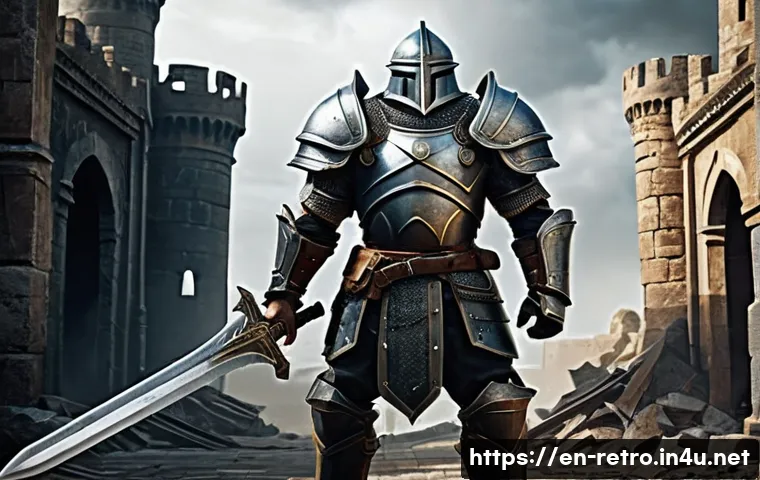
This cultural influence helped Dungeon Fighter Online maintain relevance and attract new players over the years.
Visual and Audio Design of Original Characters
Art Style and Character Design Philosophy
The art style of the early characters combined vibrant colors with exaggerated animations, creating a distinct and memorable visual identity. Each character’s design reflected their personality and combat style, making them instantly recognizable.
For instance, the Slayer’s rugged appearance and swift movements contrasted sharply with the Priest’s calm, graceful demeanor. I found that these visual cues helped me quickly understand what to expect from each class, enhancing immersion and enjoyment.
Sound Effects and Music Enhancing Gameplay
Sound design was another key element that brought the original characters to life. Unique attack sounds, voice lines, and background music tracks contributed to the atmosphere and emotional impact of battles.
The satisfying clang of swords or the crackle of magical spells added a tactile feel to combat. I often noticed that certain sound effects helped me time my attacks better, making the gameplay feel more responsive and engaging.
Animation Fluidity and Player Feedback
Smooth and fluid animations were essential in communicating the power and precision of each character’s moves. The early characters featured carefully choreographed attack sequences that looked impressive and provided clear feedback to players.
This visual clarity was crucial during fast-paced fights, helping me anticipate enemy actions and react accordingly. The attention to animation detail made every battle feel dynamic and rewarding.
Comparative Overview of Original Character Classes
Summary Table of Key Attributes and Playstyles
| Character Class | Primary Role | Playstyle Focus | Signature Skills | Strengths | Weaknesses |
|---|---|---|---|---|---|
| Fighter | Tank/Damage Dealer | Close-range melee with strong defense | Power Strike, Guard Break | High durability, strong burst damage | Limited ranged options, slower mobility |
| Swordman | Balanced Melee | Fast combos and balanced offense-defense | Slash Combo, Spin Attack | Versatile, good crowd control | Requires precise timing, less burst damage |
| Slayer | High DPS Melee | Combo chaining and critical hits | Blade Dance, Critical Slash | High damage output, agile | Lower defense, skill-dependent |
| Gunner | Ranged DPS | Rapid-fire and precision shots | Rapid Shot, Grenade Toss | Strong ranged attacks, crowd control | Fragile, reliant on positioning |
| Mage | Magic DPS/Support | Elemental spells and summons | Fireball, Summon Spirit | Versatile magic, ranged attacks | Low defense, mana dependent |
| Priest | Support/Healer | Healing, buffs, and protective spells | Heal, Barrier | Strong team support, survivability | Low damage, vulnerable alone |
Long-Term Impact on Game Development
Influence on Future Class Designs
The design philosophy behind the original characters set a benchmark for all future expansions and new classes. Developers learned valuable lessons about balancing complexity with accessibility and the importance of providing players with meaningful choices.
Later classes often borrowed core elements from the originals but introduced new mechanics to keep the game evolving. As a longtime player, I appreciated seeing how the foundation established by these early heroes influenced exciting additions years down the line.
Legacy in Player Memories and Nostalgia
Many players, myself included, still hold a special place in their hearts for the original characters. They represent the beginning of an adventure filled with discovery, challenge, and camaraderie.
Revisiting these classes years later evokes nostalgia and respect for the game’s roots. This lasting legacy highlights the importance of strong initial character design in creating a timeless gaming experience.
Community-Driven Content Inspired by Originals
The original characters continue to inspire community-created content such as fan art, guides, and gameplay videos. This ongoing enthusiasm helps keep the game vibrant and relevant.
I often find myself returning to forums and fan sites to relive discussions about these classic heroes, appreciating how their impact endures well beyond their launch era.
Conclusion
Reflecting on the foundations of Dungeon Fighter Online’s early character classes reveals a thoughtful balance of gameplay depth, accessibility, and rich storytelling. These characters not only defined unique combat roles but also fostered a passionate community and lasting nostalgia. Their design set the stage for future innovations and continues to inspire players and creators alike. Ultimately, the early classes remain a cornerstone of the game’s enduring appeal.
Useful Information to Keep in Mind
1. Each original character class offers distinct playstyles, allowing players to find one that fits their combat preferences effectively.
2. Skill trees are designed to be approachable for beginners while providing depth for advanced players through experimentation and customization.
3. Engaging lore and storytelling deepen player investment, turning characters into memorable heroes beyond just their gameplay functions.
4. Regular updates and balancing efforts ensure that no single class dominates, keeping the gameplay fair and dynamic over time.
5. The early character designs influenced future game development, making them a vital part of Dungeon Fighter Online’s legacy and ongoing community enthusiasm.
Key Takeaways
The original character classes established a strong foundation by blending accessible mechanics with deep customization options, appealing to a wide range of players. Their compelling backstories enhanced emotional engagement, while thoughtful balance maintained fairness and freshness throughout the game’s lifespan. This combination helped cultivate a dedicated fanbase and competitive scene, with lasting influence on the game’s evolution and community-driven content. Understanding these core elements is essential to appreciating Dungeon Fighter Online’s success and longevity.
Frequently Asked Questions (FAQ) 📖
Q: What made the original characters in Dungeon Fighter Online stand out compared to later additions?
A: The first characters in Dungeon Fighter Online were crafted with a perfect balance of simplicity and depth, which made them accessible to newcomers while still offering complexity for seasoned players.
Their unique skill sets and distinct playstyles provided a solid foundation that shaped the game’s identity. Personally, I found that these early heroes had a charm and straightforwardness that made mastering them feel rewarding without overwhelming you.
This blend helped foster a loyal community that appreciated both casual and competitive gameplay.
Q: How did the original characters contribute to the community and longevity of Dungeon Fighter Online?
A: Those first heroes weren’t just game pieces; they became the heart of a passionate community. Players bonded over shared experiences learning each character’s strengths and weaknesses, which encouraged cooperation and friendly competition.
From my own experience, the nostalgia around these characters often sparks lively discussions and fan content, keeping the community vibrant even years after their release.
This strong player connection has been crucial in sustaining the game’s popularity over time.
Q: Have the original characters changed much since Dungeon Fighter Online first launched?
A: Yes, the original characters have definitely evolved with numerous updates and expansions, but their core identities have remained intact. The developers have refined skills, introduced new abilities, and adjusted balances to keep gameplay fresh and competitive.
However, when I revisit those classic characters, I still feel that original spark that hooked me years ago—their foundational design still resonates and offers that nostalgic gameplay experience many longtime players cherish.