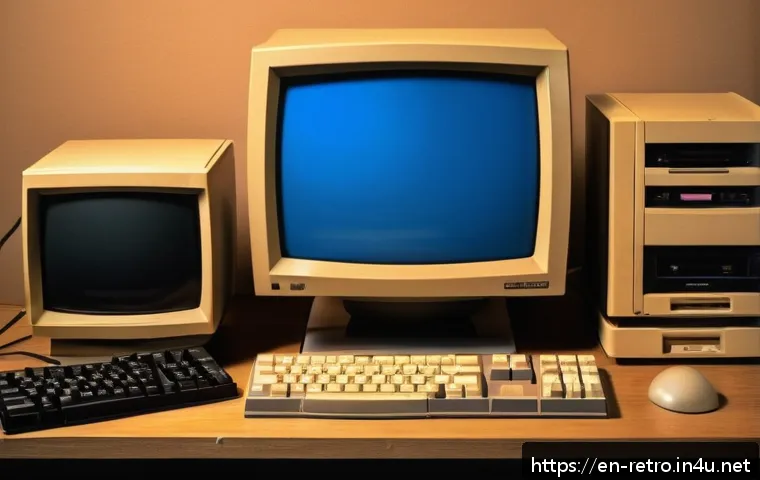
Lately, as retro gaming and vintage tech are making a major comeback, understanding the roots of early PC graphics cards has never been more fascinating.
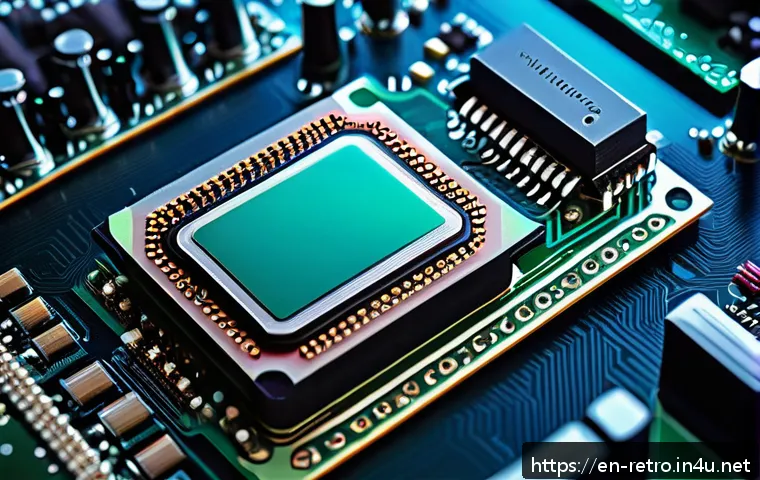
These humble components laid the groundwork for today’s stunning visuals but came with unexpected challenges, especially when it came to running games.
If you’ve ever wondered why some classic titles struggled or behaved oddly on those old setups, you’re in for an eye-opening journey. Let’s dive into the quirks and surprises that shaped early PC graphics and their compatibility hurdles, revealing insights that still resonate with gamers and tech enthusiasts today.
This exploration not only honors the past but also sheds light on how far graphics technology has evolved.
The Evolution of Early Graphics Hardware and Its Impact on Gaming
The Dawn of 2D Acceleration and Pixel Pioneering
Back in the early days of personal computing, graphics cards were a far cry from today’s powerhouse GPUs. The first cards primarily focused on handling basic 2D graphics, enabling smoother rendering of windows and text rather than delivering rich visuals.
This era saw the introduction of hardware acceleration for simple tasks like bit blitting and line drawing, which was a game changer for user interfaces and early games alike.
However, the limited memory bandwidth and low clock speeds meant that even these simple operations could become sluggish with complex scenes. Developers had to design games that worked within these tight constraints, often resorting to clever programming tricks to mask hardware limitations.
It’s fascinating to think that the pixelated worlds and choppy animations we now find nostalgic were once at the cutting edge of what was possible.
The Shift to 3D and the Growing Pain of Compatibility
When graphics cards began to support 3D acceleration, it opened up exciting new possibilities for immersive gameplay, but also introduced a host of headaches.
Early 3D cards, such as those based on the S3 Virge or Matrox Mystique chipsets, promised hardware-accelerated polygons and textures, but their inconsistent driver support led to unpredictable behavior in games.
Many titles required manual configuration or even specific driver versions to run properly. From flickering textures to outright crashes, the experience was often frustrating for gamers.
The lack of standardized APIs meant developers had to tailor their software to multiple competing standards, which slowed the adoption of 3D gaming. Despite this, these pioneering cards laid the foundation for the eventual dominance of GPUs designed specifically for 3D rendering.
Memory Constraints and the Art of Optimization
Early graphics cards were severely limited in memory capacity, often featuring just a few megabytes of VRAM. This scarcity forced game designers and programmers to optimize every byte, balancing texture resolution, color depth, and frame rates to achieve playable experiences.
The infamous palette swapping and dithering techniques emerged as creative solutions to simulate more colors and detail than the hardware could natively support.
It’s intriguing how these limitations spurred innovation, pushing developers to squeeze the most out of modest hardware. From my own experience revisiting classic games on vintage setups, I noticed how some titles would dramatically change visual fidelity depending on the card’s memory size, sometimes even adjusting gameplay elements to maintain performance.
Challenges of Driver Incompatibility and Game Support
The Wild West of Early Graphics Drivers
Unlike today’s relatively stable and frequently updated drivers, early graphics card drivers were often buggy and inconsistent. Manufacturers rushed to release drivers to support new games or operating systems, but these releases could introduce regressions or fail to support certain features.
Users frequently had to experiment with different driver versions to find the sweet spot where a game would run without glitches. This trial-and-error process was frustrating but also part of the charm for enthusiasts who enjoyed tweaking their setups.
From my own tinkering, I can attest that even a minor driver update could transform a game from barely playable to surprisingly smooth.
API Fragmentation and Its Effects on Game Development
Before DirectX and OpenGL became the universal standards, game developers faced a fragmented landscape of graphics APIs. Some games were coded specifically for proprietary APIs tied to particular hardware, making compatibility a guessing game for consumers.
This fragmentation not only complicated development but also hindered the widespread adoption of certain cards. Players often found themselves limited by their hardware choice, as a game optimized for one chipset might perform terribly or not run at all on another.
This patchwork of support created a challenging environment that required patience and persistence.
Community Patches and the Role of Enthusiasts
As official support waned or proved insufficient, the gaming community stepped in to bridge the gap. Enthusiast-driven patches, mods, and unofficial drivers became crucial for preserving the playability of older titles on various hardware.
These grassroots efforts often involved painstaking reverse engineering and sharing knowledge across forums and websites. The dedication of these communities helped extend the lifespan of classic games and provided invaluable insights into the quirks of early graphics hardware.
Reflecting on this, I realize how much the passion of fans has contributed to the retro gaming revival we see today.
Hardware Limitations That Shaped Game Design Choices
Resolution and Color Depth Restrictions
Early graphics cards were limited to relatively low screen resolutions and color depths, often maxing out at 256 colors or 16-bit color modes. This directly influenced the visual style of games, pushing artists to create pixel art that balanced clarity with performance.
The limited palette forced creative use of shading and dithering to imply depth and detail. Game designers also had to consider these constraints when crafting user interfaces and in-game visuals, ensuring that essential information remained legible and gameplay wasn’t hindered by graphical compromises.
Refresh Rates and Flicker Issues
The refresh rates supported by early graphics hardware and monitors could cause noticeable flicker, especially at lower resolutions. This flickering not only strained players’ eyes but also affected the perceived smoothness of animations.
Developers sometimes had to limit the complexity of scenes or implement frame timing tricks to reduce flicker. From personal experience, I recall how certain classic games were more comfortable to play on CRT monitors running at higher refresh rates, a factor often overlooked when we think about retro gaming today.
Sound and Graphics Synchronization Challenges
Graphics rendering and audio playback often competed for system resources on early PCs, leading to synchronization issues. Some games suffered from audio lag or stuttering visuals when the graphics card was under heavy load.
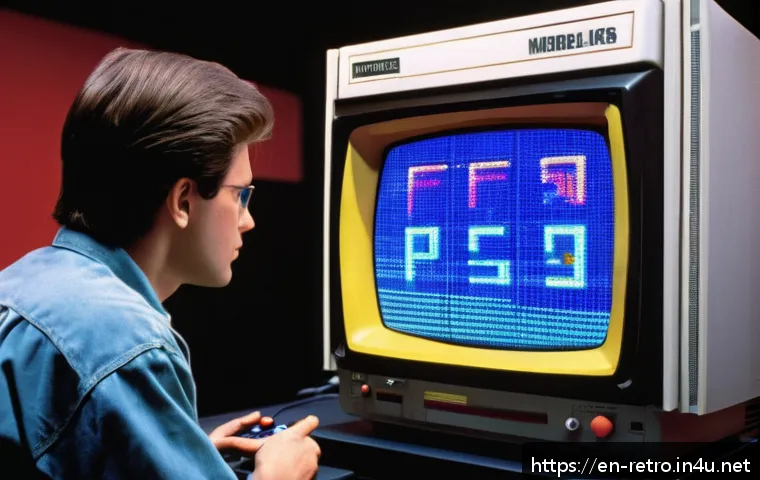
This interplay influenced design decisions, with some developers opting for simpler graphics or sound to maintain a smooth overall experience. Observing this balance gives us a deeper appreciation of the technical juggling act behind many beloved classics.
Legacy Technologies That Influenced Modern GPUs
The Rise of Texture Mapping and Shading Techniques
One of the key innovations that emerged from early graphics cards was the ability to apply textures to 3D polygons, adding realism beyond flat colors.
Although primitive by today’s standards, early texture mapping was revolutionary, enabling more immersive worlds and complex visual effects. Shading techniques, though limited, began to simulate light and shadow, setting the stage for the sophisticated rendering pipelines we now take for granted.
The Emergence of Programmable Pipelines
While initial graphics cards relied on fixed-function pipelines, the gradual introduction of programmable shaders marked a turning point. Early experiments with vertex and pixel shaders allowed developers to customize rendering processes, though these features were rudimentary and limited in scope.
This shift paved the way for the highly flexible GPU architectures that empower modern games with photorealistic graphics and dynamic effects.
Standardization Efforts and Industry Collaboration
The chaotic early days eventually gave way to efforts aimed at unifying graphics APIs and hardware standards. Initiatives like Microsoft’s DirectX and the OpenGL consortium helped streamline development and improve compatibility.
These collaborations encouraged hardware manufacturers to adopt common frameworks, simplifying the ecosystem for both developers and consumers. The ripple effects of these efforts are still evident in today’s gaming landscape.
Comparing Early Graphics Cards: Features and Limitations
| Graphics Card | Release Year | VRAM | Supported APIs | Notable Features | Common Issues |
|---|---|---|---|---|---|
| S3 Virge | 1995 | 2-4 MB | Proprietary, early DirectX | First affordable 3D acceleration | Driver instability, low 3D performance |
| Matrox Mystique | 1996 | 2-4 MB | Proprietary APIs, limited OpenGL | Good 2D quality, early 3D support | Texture glitches, poor OpenGL support |
| 3dfx Voodoo 1 | 1996 | 4 MB | Glide API | Excellent 3D acceleration, smooth textures | Required separate 2D card, limited API support |
| NVIDIA RIVA TNT | 1998 | 16 MB | DirectX, OpenGL | Combined 2D/3D acceleration | Driver bugs, overheating issues |
The Role of User Experience and Community Support in Overcoming Hurdles
Troubleshooting and Tweaking for Optimal Gameplay
Early PC gamers often became adept troubleshooters, learning to adjust settings, swap drivers, and even modify hardware configurations to get games running smoothly.
This hands-on approach fostered a sense of mastery and community sharing, as tips and fixes circulated through forums and bulletin boards. I remember spending hours experimenting with different settings on my old machine, a process that was sometimes frustrating but ultimately rewarding when a game finally clicked.
Legacy Software and Emulators as Preservation Tools
The revival of retro gaming owes much to emulators and preservation efforts that allow classic titles to run on modern hardware. These tools often simulate the quirks and limitations of early graphics cards, providing a more authentic experience.
The dedication of developers and enthusiasts to maintain compatibility and improve emulation accuracy highlights the enduring appeal of vintage gaming.
Lessons Learned for Future Graphics Innovations
Looking back at the challenges and breakthroughs of early PC graphics hardware offers valuable lessons for today’s technology. The importance of standardization, robust driver support, and community engagement remain as relevant now as they were then.
Understanding this history enriches our appreciation for the seamless, high-fidelity gaming experiences we enjoy today and inspires continued innovation.
In Conclusion
The evolution of early graphics hardware laid the foundation for the immersive and visually stunning games we enjoy today. Despite numerous challenges—from limited memory and driver instability to fragmented APIs—developers and gamers alike demonstrated incredible resilience and creativity. These pioneering efforts not only shaped game design but also fostered vibrant communities that continue to celebrate and preserve gaming history. Understanding this journey deepens our appreciation for modern graphics technology and inspires ongoing innovation.
Useful Information to Keep in Mind
1. Early graphics cards primarily focused on 2D acceleration, which was crucial for smoother interfaces and basic gaming visuals.
2. The transition to 3D introduced both exciting possibilities and significant compatibility challenges that slowed widespread adoption.
3. Limited VRAM forced developers to optimize textures and colors creatively, leading to distinctive visual styles.
4. Driver instability and API fragmentation required users to experiment extensively for optimal game performance.
5. Enthusiast communities played a vital role in preserving classic games through patches, mods, and emulators.
Key Takeaways
Early graphics hardware set the stage for today’s gaming landscape by pushing technological boundaries despite severe limitations. The interplay between hardware constraints and software innovation drove creative solutions in graphics rendering and game design. Moreover, the importance of stable drivers, standardized APIs, and active community support became clear as essential elements for a healthy gaming ecosystem. Reflecting on these lessons helps us appreciate current advancements and guides future developments in graphics technology.
Frequently Asked Questions (FAQ) 📖
Q: uestions about Early PC Graphics Cards and Gaming CompatibilityQ1: Why did some classic games struggle or behave oddly on early PC graphics cards?
A: Early PC graphics cards had very limited processing power and memory compared to modern standards. Many games were designed with specific hardware assumptions in mind, so if a graphics card didn’t fully support certain features or ran at a slower speed, the game could lag, display incorrect colors, or even crash.
Additionally, inconsistent driver support and lack of standardization meant that developers often had to create workarounds for different cards, which sometimes led to unexpected glitches or performance issues.
Q: What were the main challenges developers faced when creating games for early PC graphics hardware?
A: Developers had to deal with a fragmented hardware ecosystem where graphics cards varied widely in capabilities, such as color depth, resolution, and hardware acceleration.
This forced them to optimize games for the lowest common denominator or create multiple versions for different cards. Limited documentation and immature driver software made debugging difficult.
Also, because early GPUs lacked advanced features like 3D acceleration, developers relied heavily on the CPU for rendering, which restricted game complexity and frame rates.
Q: How did early PC graphics cards influence the evolution of modern gaming visuals?
A: Those pioneering graphics cards laid the foundation by introducing concepts like hardware-accelerated rendering and color palettes that developers could manipulate.
Despite their limitations, they pushed the industry toward standardization and better driver support. Many innovations, such as VGA and SVGA standards, originated from this era and became building blocks for future technologies.
Understanding these roots helps gamers appreciate how far graphics have come—from pixelated sprites to photorealistic environments—and why backward compatibility remains a tricky but important issue.