Hey there, fellow retro enthusiasts and tech history buffs! You know, sometimes I find myself scrolling through old photos or reminiscing about those pure, unadulterated moments of joy from my childhood, and inevitably, my mind drifts back to the original Game & Watch devices.
They weren’t just simple handheld games; they were revolutionary little pieces of plastic and pixels that laid the groundwork for the portable gaming world we know today.
And honestly, who could’ve predicted that these charming relics would become such sought-after treasures, sparking a vibrant collecting scene that’s as much about preserving history as it is about owning a piece of personal nostalgia?
I’ve personally seen firsthand how the market for these early models has absolutely exploded, fueled by a renewed appreciation for minimalist design and a yearning for simpler times in our increasingly complex digital lives.
It’s truly fascinating to watch their value climb, transforming what some once considered mere toys into genuine investments for discerning collectors.
The sheer joy of finally tracking down a pristine ‘Ball’ or a perfectly preserved ‘Oil Panic’ is a feeling I wouldn’t trade for anything, a little victory in the grand adventure of collecting.
It’s not just about the game itself, but the story it tells and the innovation it represents. If you’ve ever wondered what makes these tiny wonders so special, and precisely what to look for when trying to spot a true gem among them, you’re in for a treat.
Let’s really dig deep into the fascinating world of Game & Watch collectible value and unlock all its secrets.
The Scarcity Factor: Why Some Are Gold Dust
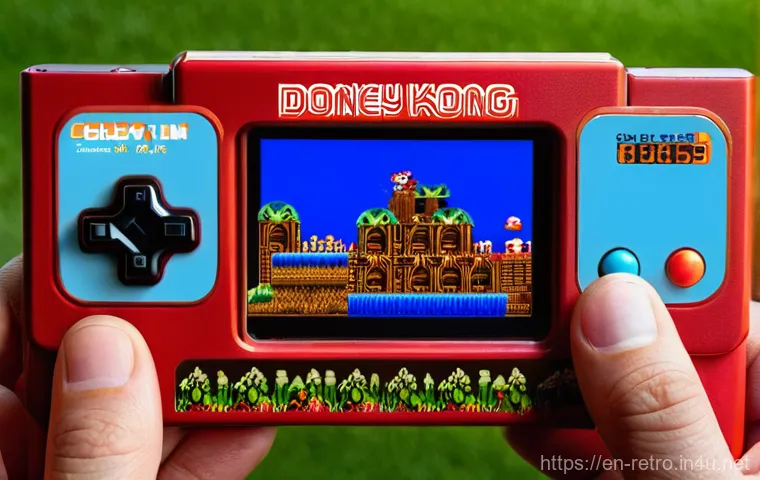
You know, it’s funny how sometimes the rarest things are the ones we least expect. When it comes to Game & Watch devices, it’s not always the flashiest or most complex game that fetches the highest price. Nope, often it comes down to sheer availability, or rather, the lack thereof. Some of these units had extremely limited production runs, maybe due to being test models, regional exclusives that barely left their home country, or even promotional items given out for a short period. I remember stumbling upon a pristine “Judge” unit once at a tiny antique store in rural Ohio, tucked away in a dusty box. My heart nearly stopped! That particular game, part of the Multi Screen series, is notoriously hard to find in good condition, and that unexpected discovery felt like hitting the jackpot. It’s these kinds of stories that fuel the collector’s passion, isn’t it? The thrill of knowing you hold something truly unique, a piece of gaming history that very few others possess. The market for these “holy grail” items isn’t just about nostalgia; it’s a testament to their enduring legacy and the genuine difficulty in acquiring them. Collectors often refer to these as the “first print” or “early edition” equivalent in the gaming world, making them highly desirable. Understanding which models fall into this elusive category is your first step to spotting a real treasure.
Limited Runs and Regional Exclusives
Diving deeper into what makes a Game & Watch truly rare, it often boils down to its initial distribution. Think about those models that were only released in Japan for a few months, or perhaps a special edition that was only available through a mail-order catalog in the UK. These aren’t just games; they’re historical artifacts reflecting the global market strategies of the time. For example, some early “Silver” series units, particularly those with less popular game titles, had smaller production numbers because Nintendo was still testing the waters. Then you have the fascinating world of regional variants, where a slight difference in packaging or even a tiny language alteration on the unit itself can significantly impact its value. I once spent weeks tracking down a specific European release of “Green House” because it had a slightly different box art from the more common US version, and let me tell you, that subtle difference made it a much more exciting find for my collection. It’s these nuances that seasoned collectors really geek out over, recognizing that these small deviations tell a bigger story about the Game & Watch’s journey across the globe.
The ‘Holy Grails’ of Game & Watch
Every collector has their list of “holy grails,” those elusive pieces that represent the pinnacle of their pursuit. For Game & Watch enthusiasts, these often include the very first model, “Ball,” especially in its original packaging. Its historical significance as the progenitor of the entire line makes it incredibly sought-after. Then there are the obscure ones, like “Manhole” (Gold series) or some of the later Multi Screen titles that simply didn’t sell as well initially, making them harder to find now. The challenge isn’t just finding them, but finding them in fantastic condition. A boxed “Ball” with all its inserts, still gleaming, can command prices that would make your jaw drop. I’ve heard stories of collectors spending years, even decades, searching for their personal holy grail, and the moment they finally acquire it is truly exhilarating. It’s more than just a purchase; it’s the culmination of dedication, research, and a bit of luck. These aren’t just toys anymore; they’re genuine pieces of tech history, and their value reflects both their rarity and their cultural impact.
Condition is King: What to Look For
Alright, so you’ve found a potentially rare Game & Watch. But wait! Before you open your wallet, we need to talk about condition. This isn’t just a minor detail; it’s absolutely paramount to a device’s value. I can’t tell you how many times I’ve seen a supposedly rare item plummet in price because of a cracked screen, missing battery cover, or faded graphics. When I’m evaluating a potential addition to my own collection, I go over every inch with a magnifying glass. I’m looking for pristine screens, responsive buttons, clear sound, and absolutely no corrosion in the battery compartment – that last one is a silent killer for many vintage electronics. Think of it like buying a classic car; a scratch on the paint is one thing, but a rusted-out engine block is a completely different story. A Game & Watch in mint condition, especially if it comes with its original box, manual, and even the polystyrene inserts, is a whole different beast from one that’s been through the wringer. It demonstrates that the previous owner cared for it, preserving its historical integrity. This attention to detail can easily multiply the value by several factors, making it a critical aspect of collecting.
The Pristine Box and Manual Dilemma
Oh, the original box and manual! For serious collectors, these aren’t just accessories; they’re an integral part of the item’s value. A “loose” Game & Watch, while still collectible, simply doesn’t hold the same allure or price tag as a “CIB” (Complete In Box) one. The box tells a story: the artwork, the original price tag, the slight wear from decades of storage. And the manual? That little booklet often contains fascinating details about the game, sometimes even little comic strips or instructions in multiple languages, which adds to the cultural artifact status. I once found a “Donkey Kong” Multi Screen with its original box, but the manual was missing. I ended up spending months just searching for that tiny, forgotten manual to complete the set! It was a quest in itself, but the satisfaction of finally bringing them together was immense. The condition of the box itself is also crucial; tears, creases, or sun fading can detract from its perfection. Collectors are often willing to pay a substantial premium for a truly pristine, factory-fresh example, making the box and manual sometimes as valuable as the game unit itself.
Battery Compartment Blues and Screen Burn Woes
These are the silent killers of Game & Watch value, trust me. I’ve been there, thinking I’ve found a steal, only to open the battery compartment and find a horrifying landscape of dried battery acid. Corrosion can render a device inoperable and significantly diminish its aesthetic appeal, even if it’s painstakingly cleaned. Always, always check for this. It’s a tell-tale sign of neglect. Then there’s screen burn or faded segments. These LCD screens, while robust, aren’t immune to aging. Sometimes, parts of the display will be dimmer or completely absent, making the game unplayable or at least visually unappealing. This is often due to prolonged exposure to heat or direct sunlight, or simply the natural degradation of the liquid crystal over time. I once bought an “Octopus” Game & Watch online, and the seller swore the screen was perfect. When it arrived, half the octopus tentacles were practically invisible! It was a huge disappointment, and a hard lesson learned about always asking for detailed, high-resolution photos, especially of the screen and battery area, before making a purchase. These flaws, unfortunately, are often irreversible and can drastically reduce what you’d be willing to pay for a particular unit.
Understanding the Series: Multi-Screen vs. Wide Screen
Nintendo’s Game & Watch line wasn’t a one-trick pony; it evolved through several distinct series, each with its own charm and collector appeal. From the early, minimalist Silver and Gold series to the more elaborate Multi Screen units, understanding these distinctions is key to both appreciating their history and assessing their value. My personal journey through Game & Watch collecting really deepened when I started to grasp the innovative leap each new series represented. The initial single-screen devices were groundbreaking for their time, but then came the Multi Screen models, and for me, that was a game-changer. It felt like holding a tiny, futuristic console in my hands! Each series brought something new to the table, both in terms of gameplay and industrial design, and this diversity is a huge part of what makes collecting them so engaging. You’re not just collecting games; you’re collecting a timeline of portable gaming innovation. Knowing which series a particular unit belongs to helps you benchmark its rarity and historical significance, guiding your collecting efforts and helping you make informed decisions when you’re considering a new acquisition.
The Appeal of Dual Displays
Ah, the Multi Screen series! For many collectors, myself included, these are the pinnacle of Game & Watch design. When Nintendo released “Oil Panic” and “Donkey Kong,” showcasing two screens that folded together like a compact, it was absolutely revolutionary. These weren’t just bigger games; they offered entirely new gameplay mechanics that leveraged the dual displays, often with one screen for action and the other for a larger perspective or critical information. The iconic clamshell design became so influential that it inspired future Nintendo handhelds like the DS. I vividly remember the first time I got my hands on a “Donkey Kong” Multi Screen; the way the game used both screens to depict Mario jumping between platforms felt so advanced! These models often command higher prices, not just because of their complex design but also because they represent a significant evolutionary step in portable gaming. They’re generally more robust than their single-screen counterparts due to the protective clamshell, which helps in finding them in better condition today. The Multi Screen series truly stands out as a testament to Nintendo’s early ingenuity in compact hardware design.
Simplicity and Elegance of Single-Screen Wonders
While the Multi Screen units get a lot of attention, let’s not forget the enduring charm and historical importance of the single-screen models: the Silver, Gold, Wide Screen, and New Wide Screen series. These were the pioneers, the devices that first brought dedicated portable gaming to the masses. There’s a beautiful simplicity to them, a directness in their design that I find incredibly appealing. Games like “Ball,” “Octopus,” or “Fire” on a single, clear LCD screen evoke a pure, unadulterated sense of fun. They might not have the dual-screen complexity, but their elegance lies in their focused gameplay and iconic, often abstract, character designs. Some of the Wide Screen models, with their larger displays, are particularly beloved for their enhanced visual experience. I’ve always had a soft spot for the “Mickey Mouse” Wide Screen; the vibrant background and clear character sprites just pop. Collecting these single-screen units often feels like delving into the very genesis of modern gaming, appreciating the fundamental principles of design and play that started it all. Their more compact form factor also means they’re often easier to display in a collection.
Beyond the Game: The Art of Displaying Your Collection
Collecting Game & Watch devices isn’t just about the hunt and the acquisition; it’s also about celebrating your finds. And for me, that means displaying them properly. These aren’t just static objects; they’re conversation starters, pieces of art, and tangible links to a bygone era. A well-displayed collection not only protects your valuable items but also enhances their visual appeal, turning them into a personal museum. I’ve experimented with so many different display methods over the years, from simple acrylic stands to custom-built shelves with integrated lighting. The goal is always to showcase their unique designs and, if possible, allow for easy interaction without causing damage. Imagine walking into a room and seeing a perfectly arranged line-up of every Game & Watch series, each unit gleaming under soft LED lights – it’s a sight to behold and a testament to the collector’s passion. This aspect of the hobby often gets overlooked, but investing in good display solutions can significantly increase your enjoyment of the collection and even its perceived value to potential buyers down the line, demonstrating true care and connoisseurship.
Custom Cases and Preservation Techniques
When you’re dealing with items that are 30, 40, or even 45 years old, preservation becomes a serious consideration. UV light, dust, and humidity are the enemies of vintage electronics. That’s why custom cases and meticulous preservation techniques are so vital. I’ve found that clear acrylic display cases, designed specifically for Game & Watch units, are perfect. They protect against dust and accidental bumps while allowing full visibility. For boxed items, acid-free archival sleeves and storage boxes are a must to prevent yellowing and degradation of the cardboard. I even go as far as using silica gel packets in my display cabinets to control humidity, especially here in my relatively damp climate. I once had a small collection of manuals start to curl at the edges because I hadn’t properly managed the humidity, and that was a lesson I learned the hard way! Proper storage isn’t just about preventing damage; it’s about ensuring these wonderful devices can be enjoyed by future generations. Think of yourself as a custodian of history; your responsibility is to keep these treasures as pristine as possible for as long as possible.
Curating Your Own Retro Museum
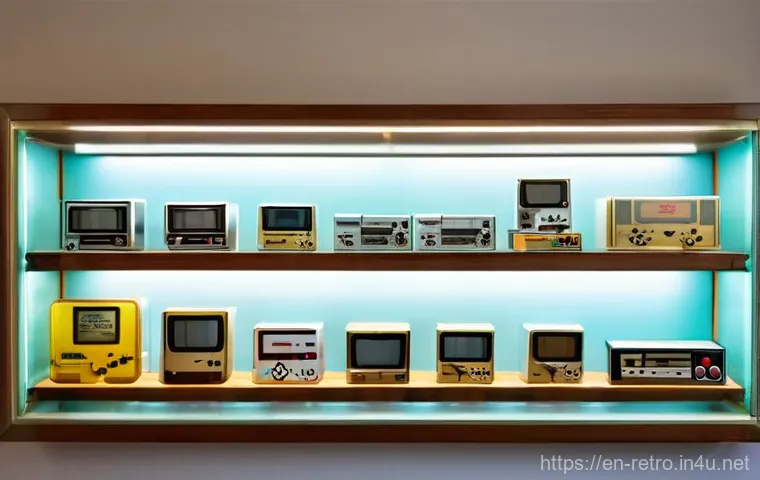
There’s something incredibly satisfying about transforming a simple shelf into your own personal retro gaming museum. It’s not just about cramming as many devices as possible into a space; it’s about thoughtful curation. Consider grouping games by series, by release date, or even by personal favorites. Add some small plaques with interesting facts about each game, or perhaps a timeline showing the evolution of the Game & Watch line. I’ve seen collectors incorporate vintage Nintendo memorabilia, old gaming magazines, or even custom backdrops to create an immersive display. My own display includes a few vintage gaming magazines open to articles featuring Game & Watch reviews from back in the day, which adds another layer of historical context. It’s about telling a story with your collection, engaging anyone who sees it, and showcasing the journey of these remarkable handhelds. This level of presentation not only makes your collection more visually appealing but also demonstrates your deep knowledge and passion for the hobby, which truly elevates it beyond just owning a bunch of old games.
The Thrill of the Hunt: Where to Find Your Next Gem
Part of the undeniable allure of Game & Watch collecting is the thrill of the hunt itself. It’s that surge of adrenaline when you spot a familiar silhouette in a dusty corner, or the excitement of outbidding someone on a rare find online. For me, the journey to find a new piece for my collection is often as enjoyable as actually owning it. Over the years, I’ve developed a sixth sense for where these hidden gems might be lurking. It’s not always about hitting the obvious places; sometimes the best finds come from the most unexpected sources. You need patience, a keen eye, and a willingness to dig through a lot of less-than-stellar items. I’ve spent countless weekends trawling through flea markets, estate sales, and even obscure online forums, and while many trips yielded nothing, the ones that did made all the effort worthwhile. It’s truly a testament to the enduring appeal of these devices that so many are still out there, waiting to be rediscovered by passionate collectors. Each successful hunt adds another unique story to your collecting journey, deepening your connection to the hobby.
Online Marketplaces and Auction Strategies
In today’s connected world, online marketplaces are undoubtedly the most common hunting grounds for Game & Watch collectors. Sites like eBay, Yahoo Japan Auctions (via proxy services), and specialized retro gaming forums are bustling with potential treasures. However, navigating these waters requires a bit of strategy. First, always scrutinize seller photos. Don’t be shy about asking for more detailed shots, especially of the screen, battery compartment, and any potential flaws. Read descriptions carefully; a seller might bury critical information about condition in the fine print. When it comes to auctions, setting a maximum bid beforehand and sticking to it is crucial to avoid getting caught up in bidding wars and overpaying. I’ve definitely been guilty of getting carried away in the heat of the moment, only to regret it later! Timing your bids for the last few seconds can also give you an edge. Patience is a virtue here; if you miss out on one item, another will almost certainly come along. Also, keep an eye on international sellers, but factor in shipping costs and potential customs duties.
Unearthing Treasures at Flea Markets and Estate Sales
While online shopping offers convenience, nothing quite beats the magic of finding a Game & Watch in the wild at a flea market, garage sale, or estate sale. These are the places where genuine sleepers lie, often unrecognized by sellers who might not know their true value. I vividly recall a time I was sifting through a box of old electronics at a small-town flea market and found a perfectly preserved “Chef” Game & Watch tucked away among some ancient calculators. The seller practically gave it away because they just thought it was an old toy! That feeling of discovery, of unearthing a piece of history that someone else overlooked, is absolutely electrifying. It’s about being prepared to get your hands a little dirty, to spend hours sifting through junk, and to have a keen eye for potential. Always bring a small flashlight and a spare battery to test units on the spot if possible. Haggling is often part of the game at these venues, so don’t be afraid to politely negotiate, but always be respectful. These offline expeditions offer a completely different, often more rewarding, collecting experience.
Future Proofing Your Investment: Maintenance and Care
Let’s be real, these Game & Watch devices are decades old. If you’re serious about collecting, and especially if you view them as an investment (which many now are!), then proper maintenance and care are non-negotiable. It’s not just about keeping them looking good; it’s about preserving their functionality and preventing further degradation. Think of it like owning a vintage sports car; you wouldn’t just leave it out in the rain, would you? These little handhelds require a similar level of respect and attention. I’ve personally learned that even seemingly minor issues, if left unaddressed, can spiral into much bigger problems down the line. A tiny bit of dust inside the screen, or a slightly sticky button, can detract from the overall experience and value. Establishing a routine for checking and cleaning your collection isn’t just a chore; it’s an act of love for these amazing pieces of gaming history. After all, the better condition you keep them in, the longer they’ll be around to tell their story, and the more their value will appreciate over time. Trust me, future you will thank present you for being diligent.
Gentle Cleaning and Storage Tips
When it comes to cleaning your Game & Watch, less is definitely more. You don’t want to use harsh chemicals or abrasive materials that could damage the delicate plastic or screen. I typically use a microfiber cloth dampened with a tiny amount of distilled water for the casing, being extremely careful around any decals or printed graphics. For the screen, a dedicated LCD screen cleaner (the kind you’d use for a laptop or TV) applied to a microfiber cloth works wonders for removing fingerprints and smudges. Never spray liquid directly onto the device! For those tricky crevices around buttons, a soft toothbrush or cotton swab can work magic. As for storage, keep them in a cool, dry place away from direct sunlight and extreme temperature fluctuations. Light can cause plastics to yellow and screen elements to fade. If you have the original boxes, store the units inside them, otherwise, individual soft pouches or display cases offer excellent protection. And always, always remove batteries if you’re storing a unit for an extended period to prevent corrosive leaks – a lesson I unfortunately learned with a rare “Chef” unit years ago, which still haunts me.
When to Seek Professional Restoration
Sometimes, despite your best efforts, a Game & Watch might have issues beyond a simple clean. This is where professional restoration comes into play. If a unit isn’t functioning, has significant screen damage, or severe battery corrosion, attempting a DIY fix without proper knowledge can often cause more harm than good. There are specialized technicians and collectors out there who have the expertise, tools, and replacement parts (or donor units) to bring these devices back to life. I once had an “Oil Panic” with a completely dead segment on its screen. After agonizing over it, I sent it to a highly recommended restorer, and they managed to fix it perfectly. The cost was significant, but the peace of mind and the restored value of the unit made it absolutely worth it. Do your research, find reputable restorers with a proven track record, and always get a clear quote before committing. While the goal is to preserve originality, sometimes a professional repair is the only way to save a truly valuable piece from becoming a permanent display-only item. It’s an investment in keeping the legacy alive.
The Community Connection: Sharing Your Passion
One of the absolute best parts of collecting Game & Watch isn’t just the games themselves, but the incredible community that surrounds them. I’ve met some of the most genuinely passionate and knowledgeable people through this hobby, both online and at retro gaming conventions. There’s something truly special about connecting with others who share your specific brand of nostalgia and appreciation for these tiny marvels. Whether it’s swapping stories about that impossible find, debating the merits of the Multi Screen versus the Wide Screen, or simply admiring each other’s prized possessions, the camaraderie is infectious. This shared passion enriches the collecting experience immensely, transforming what could be a solitary pursuit into a vibrant, interactive journey. It’s a reminder that even in our increasingly digital world, there’s still a strong desire for tangible connections, both with the objects we cherish and the people who understand why we cherish them so much. The community aspect really adds another layer of joy and meaning to every single item in my collection, knowing I’m part of something bigger.
Online Forums and Collector Groups
Forums and online collector groups are the lifeblood of the Game & Watch community. These digital spaces are treasure troves of information, tips, and opportunities to connect. Websites like Game & Watch collector forums, dedicated subreddits, and Facebook groups are fantastic places to learn about rarity, repair techniques, and upcoming sales. I spend a surprising amount of time lurking in these groups, soaking up knowledge and occasionally chiming in with my own experiences. It’s where I learned about the subtle variations in different regional releases, and even picked up some invaluable tips for gently cleaning stubborn battery corrosion. The generosity of information shared by seasoned collectors is truly remarkable. These groups aren’t just for buying and selling; they’re platforms for discussion, for showing off new acquisitions, and for getting advice when you’re stuck on a particular repair. Being an active member can also open doors to private sales and trades, giving you access to items that might never hit the open market. It’s like having a worldwide network of experts and friends at your fingertips.
The Joy of Swapping Stories (and Games!)
Beyond the technical discussions, one of my favorite aspects of the community is simply swapping stories. Everyone has that one epic tale of how they found their rarest Game & Watch, or the hilarious mishap during a cleaning attempt. These shared anecdotes build a sense of connection and remind us that we’re all on this wonderfully quirky journey together. I particularly love meeting up with fellow collectors at retro gaming events. There’s nothing quite like holding someone else’s pristine “Ball” unit, comparing notes on condition, and just geeking out about the minutiae of these devices face-to-face. And sometimes, these meet-ups even lead to exciting trades or sales. I once traded a duplicate “Snoopy Tennis” for a “Lifeboat” that I’d been searching for forever, and it felt like a perfectly balanced exchange of passion. It’s these personal interactions, these shared moments of enthusiasm, that truly elevate collecting from a solitary hobby to a rich, social experience. It just goes to show, the real treasure isn’t always the game itself, but the connections you make along the way.
| Game & Watch Series | Key Characteristics | Collector Appeal | Estimated Value Range (USD, loose, good condition) |
|---|---|---|---|
| Silver Series | First releases, chrome-like casing, simple LCD games. | High historical significance, iconic status as pioneers. | $150 – $600+ |
| Gold Series | Gold-colored casing, slightly more complex games, often with color backgrounds. | Classic aesthetic, slightly improved gameplay over Silver. | $100 – $400+ |
| Wide Screen Series | Larger screens, improved graphics, often more detailed character sprites. | Enhanced visual experience, popular titles like “Mickey Mouse”. | $80 – $350+ |
| Multi Screen Series | Clamshell design with two screens, innovative dual-screen gameplay. | Revolutionary design, complex mechanics, very popular titles like “Donkey Kong”. | $120 – $700+ |
| New Wide Screen Series | Refined Wide Screen models, often with more vibrant art and features. | Modernized single-screen experience, good entry point for collectors. | $60 – $250+ |
글을 마치며
Whew! What a journey we’ve taken through the fascinating world of Game & Watch collecting. From the thrill of discovering those elusive rare gems to the satisfaction of meticulously displaying your prized possessions, it’s a hobby that truly captures the heart. I hope sharing my own experiences and insights has given you a clearer roadmap for your own collecting adventures. Remember, at its core, this isn’t just about owning old gadgets; it’s about connecting with a piece of gaming history, cherishing the memories these devices evoke, and becoming part of a passionate, global community. Keep that collector’s spirit alive!
알아두면 쓸모 있는 정보
1. Always prioritize condition over absolute rarity if you’re building a long-term collection. A rarer item in poor shape might fetch a high initial price, but its long-term appreciation and display value will suffer compared to a more common item in pristine condition. I once passed on a super rare unit because the screen was totally shot, and I’ve never regretted that decision.
2. Diversify your hunting grounds! While online auctions offer convenience, don’t underestimate the magic of physical locations like flea markets, estate sales, and even small-town antique shops. Sometimes, sellers at these places don’t realize the true value of what they have, leading to incredible finds. My most memorable discoveries have often been completely unexpected.
3. Join online communities and forums early in your collecting journey. The wealth of knowledge, shared experiences, and direct connections to other enthusiasts is invaluable. You’ll learn about obscure variants, effective repair tips, and even get heads-up on upcoming sales or trades. Seriously, these groups are game-changers for both newbies and veterans.
4. Invest in proper display and storage solutions from the start. UV light, dust, and humidity are the silent killers of vintage electronics. Acid-free cases for boxed items, acrylic stands for loose units, and diligent battery removal for long-term storage will protect your investment and keep your collection looking its best for decades to come. Trust me, future you will thank you.
5. Set a budget and stick to it! It’s incredibly easy to get caught up in the excitement of the hunt, especially during bidding wars. Decide beforehand what you’re willing to pay for a specific item, and if it goes beyond that, let it go. There will always be another opportunity, and collecting should be a joy, not a source of financial stress. I’ve definitely learned this the hard way!
중요 사항 정리
Alright, let’s distill all that wisdom into a few key points, shall we? First off, understanding the scarcity factor is absolutely paramount. Not all Game & Watch units are created equal; some were produced in incredibly limited quantities or were regional exclusives, making them bona fide “gold dust” for collectors. Knowing which models fall into this elusive category is your first step toward identifying a true treasure. Think of those early test models or obscure promotional items. My own experience finding that “Judge” unit truly highlighted how unexpected these discoveries can be.
Secondly, condition is king, queen, and the entire royal court when it comes to value. A rare item with significant wear and tear will always be less desirable, and less valuable, than a more common one in pristine shape. Always scrutinize the screen for burn-in, check for battery corrosion, and never underestimate the value of original packaging, manuals, and inserts. A complete-in-box (CIB) unit with all its papers is a different beast entirely. I’ve made the mistake of not being thorough, and those screen burn woes still sting!
Finally, immerse yourself in the vibrant Game & Watch community. Whether it’s through online forums, social media groups, or even local retro gaming meet-ups, connecting with fellow enthusiasts enriches the entire collecting experience. You’ll gain invaluable knowledge, get insider tips on maintenance and restoration, and simply find joy in sharing your passion with others who truly “get it.” This isn’t just about the objects; it’s about the shared stories, the camaraderie, and the collective appreciation for these incredible pieces of gaming history. Happy hunting, and may your next find be your best one yet!
Frequently Asked Questions (FAQ) 📖
Q: What really makes one Game & Watch unit worth more than another, beyond just personal favorites?
A: Oh, this is such a great question, and it’s something I’ve spent countless hours poring over myself! From what I’ve seen and experienced in the collecting world, it really boils down to a few critical factors that can make a huge difference in value.
First and foremost, rarity is a massive driver. Some models, like the “Crystal Screen Balloon Fight” or certain commemorative editions, had extremely limited production runs or were only available for a short time, making them incredibly difficult to find today.
For instance, there was a special commemorative edition of a Game & Watch that sold for around $9,100 on Yahoo Japan a few years back – it was commissioned by Gunpei Yokoi himself after 20 million units were sold, and it was practically unheard of until then!
If you stumble upon one of those, you’ve really hit the jackpot. Next up, and I can’t stress this enough, is condition. A Game & Watch that looks like it just came out of the factory, with a pristine screen, responsive buttons, and no scratches or dents, will always fetch a premium.
I mean, who wants a faded screen or sticky buttons, right? If it comes with its original box, manual, and even those little plastic bags or battery covers, its value can absolutely skyrocket.
Think about it: a “complete in box” (CIB) item tells a story of care and preservation that goes way beyond a loose unit. I’ve seen some mint, boxed versions of even moderately rare games become incredibly expensive because finding them in that state is almost impossible now.
And finally, though maybe a bit less tangible, is historical significance and model popularity. While all Game & Watch units are important pieces of gaming history, some, like the multi-screen Donkey Kong, were groundbreaking for their time and introduced concepts we still see in gaming today.
The market trends for these depend on how many are still in circulation and what collectors are currently hot for. It’s a dynamic market, so staying connected with collector forums and price guides is super helpful.
Q: I’m just starting my Game & Watch collection and I’m worried about fakes. How can I tell if a Game & Watch is legitimate?
A: That’s a completely valid concern, especially with any popular vintage collectible! When I first started, I was constantly scrutinizing every detail, and it can feel a bit overwhelming.
But here’s the good news: when it comes to the actual Game & Watch handhelds themselves, true fakes are surprisingly rare. As some folks in the collecting community often say, the market for Game & Watch isn’t quite large enough to warrant extensive fake production of the units.
Most Game & Watch units you find by Nintendo are original. However, where you do need to be super vigilant is with the boxes, manuals, and other accessories.
These are much more commonly reproduced, and honestly, some of the reproductions can be quite convincing! I’ve personally been burned by a very convincing reproduction box before, and it taught me a tough lesson.
Look closely at the print quality – reproduced boxes often have colors that are a bit paler or look slightly bleached compared to the vibrant originals.
The cardboard itself might feel different; original boxes often have a “typical carton grey” on the inside, while reproductions can be noticeably brighter, almost white.
Also, check for the glued seam on the box – on copied boxes, it’s often on the bottom side, whereas original boxes usually have it on the top. For the unit itself, always check the serial number (if applicable) and make sure the screen, buttons, and battery compartment look consistent with genuine Nintendo quality from that era.
If anything feels flimsy, overly light, or just “off,” trust your gut! Researching photos of authentic units of the specific model you’re looking at can be your best friend here.
It’s all about becoming a detective and knowing what to look for.
Q: Are there any specific Game & Watch models that are considered “must-haves” for a serious collector, or ones that hold their value exceptionally well?
A: Oh, absolutely! This is where the real fun begins, diving into the legendary pieces that truly stand out. While personal preference plays a huge role, there are definitely some Game & Watch models that consistently command high prices and are considered gems for any serious collection.
From my own collecting journey, the “Ball” (AC-01), often considered the very first Game & Watch, is a timeless classic and almost always on a collector’s wishlist.
It’s not just a game; it’s the genesis of an era, and its value has been steadily climbing. Another absolute heavyweight is “Egg” (EG-26) from the Wide Screen series.
Finding this one in good condition, especially with its original box, is like finding a unicorn – it’s notoriously rare and incredibly valuable. Many collectors, myself included, consider it one of the rarest Game & Watches out there.
Then you have the Crystal Screen series, particularly “Balloon Fight” (BF-II). These translucent beauties were produced in incredibly small numbers and are notoriously difficult to track down.
When one pops up, expect a serious bidding war! Also, keep an eye out for any of the Multi Screen series in pristine condition. Games like “Donkey Kong” (DK-52) or “Oil Panic” (OP-51) were revolutionary with their dual screens and are highly sought after, especially if the hinge mechanism is still perfect and the screens are free from bleeding.
It really boils down to scarcity meeting demand. These “must-haves” aren’t just about fun gameplay; they’re historical artifacts that represent significant milestones in portable gaming.
Investing in these iconic pieces, especially in top condition, has proven to be a smart move for many collectors, myself included. It’s a wonderful feeling to hold a piece of history that’s appreciated not just in sentimental value, but financially too!