Rayman, a name synonymous with limbless heroes and challenging platforming, holds a special place in many gamers’ hearts. The original game, released in 1995, wowed players with its vibrant graphics and innovative gameplay.
However, the sequels took a different path, some embracing 3D environments and evolving the character design. Having personally spent countless hours mastering Rayman’s unique movement, I’ve always been intrigued by how the series has shifted and changed.
Some argue that these changes were necessary to stay relevant, while others yearn for the simplicity of the original. The debate rages on, but one thing’s for sure: Rayman’s evolution is a fascinating journey to explore, especially considering the gaming landscape’s constant metamorphosis and the recent surge in nostalgia-driven remakes and reimaginings.
Let’s dive in and learn more in the article below.
The Evolution of Rayman’s Visual Style: From Hand-Drawn Charm to Modern Polish
Rayman’s visual evolution is one of the most noticeable changes across the series. The original game featured a stunning hand-drawn art style that was incredibly detailed for its time.
Each character and environment felt vibrant and alive, contributing to the game’s whimsical atmosphere. The limbless design of Rayman himself was unique and instantly recognizable.
As the series progressed, the visual style shifted, embracing 3D graphics and a more streamlined aesthetic. While the later games retained a certain charm, some fans missed the intricate detail and personality of the original’s hand-drawn art.
The move to 3D allowed for more complex environments and character animations, but it also meant sacrificing some of the original’s unique visual identity.
I remember being blown away by the sheer artistry of the first game, spending ages just admiring the backgrounds. The shift to 3D was understandable, but it definitely changed the overall feel of the game.
The Allure of 2D: A Nostalgic Return?
Many fans long for a return to Rayman’s 2D roots, myself included. The resurgence of 2D platformers in recent years suggests there’s a strong market for this style of gameplay.
Imagine a new Rayman game that combines the hand-drawn beauty of the original with modern technology and design sensibilities. The possibilities are endless!
A new 2D Rayman could introduce new characters, environments, and gameplay mechanics while staying true to the series’ core values. It could also serve as a bridge between older fans and a new generation of gamers who may not be familiar with the original games.
Embracing 3D: A Necessary Evolution or a Departure From Core Values?
The shift to 3D was undoubtedly a bold move for the Rayman series. It allowed the developers to experiment with new gameplay mechanics and explore more complex environments.
However, some argue that this shift also led to a departure from the series’ core values. The focus shifted from precise platforming to a more action-oriented experience, and the character designs became more generic.
Personally, while I appreciated the ambition of the 3D games, they never quite captured the magic of the original. It felt like Rayman was trying to be something he wasn’t, instead of embracing what made him unique in the first place.
Gameplay Mechanics: How Rayman’s Moveset Has Changed Over Time
Rayman’s gameplay mechanics have undergone significant changes throughout the series. The original game emphasized precise platforming and exploration, with Rayman gradually acquiring new abilities as he progressed.
Mastering Rayman’s unique hover and punch abilities was crucial for navigating the challenging levels. The sequels introduced new gameplay mechanics such as combat, vehicle sections, and even temporary power-ups.
While these additions added variety to the gameplay, some fans felt that they detracted from the core platforming experience. I remember spending hours perfecting my timing in the original game, trying to collect every single Electoon.
The later games felt more forgiving, but they also lacked the same sense of accomplishment.
The Importance of Precision Platforming: Why It’s Still Relevant Today
Precision platforming is a staple of the Rayman series, and it’s something that many fans still appreciate today. The challenge of navigating intricate levels and overcoming obstacles requires skill and patience, but it’s also incredibly rewarding.
Games like “Celeste” and “Hollow Knight” have proven that there’s still a strong market for challenging platformers, and a new Rayman game could capitalize on this trend by focusing on precise movement and level design.
The key is to strike a balance between challenging gameplay and accessibility, ensuring that players of all skill levels can enjoy the experience.
The Impact of Power-Ups: Enhancing Gameplay or Overcomplicating It?
Power-ups have been a part of the Rayman series since the beginning, but their role has evolved over time. In the original game, power-ups were used sparingly and strategically, often requiring players to think creatively to overcome obstacles.
The sequels introduced a wider variety of power-ups, some of which felt unnecessary or even detrimental to the gameplay. While power-ups can add variety to the gameplay, they can also overcomplicate things and detract from the core platforming experience.
A new Rayman game should carefully consider the role of power-ups, ensuring that they enhance the gameplay without making it feel too easy or convoluted.
The Evolution of Rayman’s World: From Whimsical Lands to Sprawling Environments
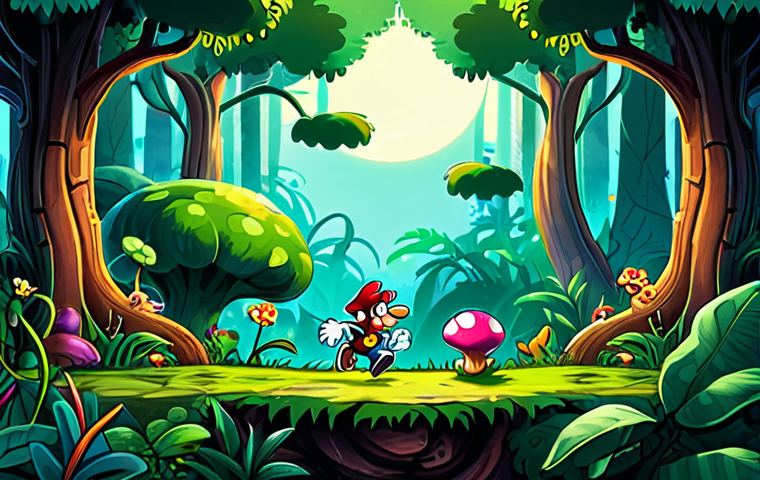
Rayman’s world has undergone a significant transformation throughout the series. The original game featured a collection of vibrant and whimsical lands, each with its own unique theme and atmosphere.
From the lush jungles of the Dream Forest to the treacherous peaks of the Blue Mountains, every location felt distinct and memorable. The sequels introduced more sprawling environments, with interconnected levels and a greater sense of scale.
While these environments were impressive in their own right, some fans missed the charm and intimacy of the original game’s smaller, more focused levels.
I remember being captivated by the surreal beauty of the original game’s world, spending hours just exploring every nook and cranny. The later games felt more generic, lacking the same sense of wonder and discovery.
The Power of Limited Scope: Why Smaller Worlds Can Be More Engaging
While sprawling environments can be impressive, they can also feel overwhelming and impersonal. Sometimes, smaller, more focused worlds can be more engaging, allowing players to form a deeper connection with the characters and locations.
The original Rayman game is a perfect example of this, with its collection of distinct and memorable lands. A new Rayman game could benefit from a similar approach, focusing on creating a smaller, more intimate world that players can truly explore and appreciate.
The Allure of Exploration: Rewarding Curiosity and Discovery
Exploration has always been a key part of the Rayman series, and it’s something that many fans still appreciate today. The joy of discovering hidden secrets, uncovering new paths, and finding collectibles is a major draw for many players.
A new Rayman game should prioritize exploration, rewarding players for their curiosity and encouraging them to venture off the beaten path. This could involve hidden areas, challenging puzzles, and unique collectibles that unlock new content or abilities.
The key is to make exploration feel rewarding and worthwhile, ensuring that players always have a reason to explore every corner of the game’s world.
Character Design: The Changing Face of Rayman and His Friends
Rayman’s character design has evolved considerably throughout the series. The original game featured a simple yet iconic design, with Rayman’s limbless body and expressive face making him instantly recognizable.
The sequels introduced new character designs, some of which were well-received while others were met with criticism. Some fans felt that the later designs were too generic, lacking the unique charm and personality of the original.
I personally loved the quirky and endearing designs of the original characters, from Betilla the Fairy to Mr. Dark. The later characters felt less memorable, lacking the same level of personality and charm.
Maintaining Identity: Staying True to the Original Vision
Maintaining a consistent identity is crucial for any long-running franchise, and Rayman is no exception. While it’s important to evolve and adapt over time, it’s also important to stay true to the core values and principles that made the series successful in the first place.
This means carefully considering any changes to the character designs, ensuring that they align with the overall tone and aesthetic of the series. A new Rayman game should strive to strike a balance between innovation and tradition, paying homage to the original while also introducing new and exciting elements.
The Role of Supporting Characters: Adding Depth and Personality to the World
Supporting characters play a vital role in shaping the world of Rayman, adding depth and personality to the overall experience. The original game featured a cast of memorable characters, each with their own unique quirks and motivations.
The sequels introduced new supporting characters, some of whom were well-developed and engaging while others felt like afterthoughts. A new Rayman game should prioritize the development of its supporting characters, giving them meaningful roles to play in the story and ensuring that they contribute to the overall sense of immersion.
| Feature | Rayman (1995) | Rayman 2: The Great Escape | Rayman 3: Hoodlum Havoc | Rayman Origins | Rayman Legends |
|---|---|---|---|---|---|
| Gameplay Style | 2D Platformer | 3D Platformer | 3D Platformer | 2D Platformer | 2D Platformer |
| Visual Style | Hand-Drawn | Early 3D Graphics | Improved 3D Graphics | High-Definition Hand-Drawn | High-Definition Hand-Drawn |
| Difficulty | High | Moderate | Moderate | Moderate | Moderate |
| Focus | Precision Platforming | Exploration, Combat | Combat, Humor | Cooperative Gameplay | Cooperative Gameplay, Musical Levels |
The Sound Design: A Symphony of Whimsy and Adventure
The sound design of the Rayman series has always been a standout feature, contributing greatly to the overall atmosphere and immersion. The original game featured a whimsical and upbeat soundtrack that perfectly complemented the vibrant visuals.
The sound effects were equally memorable, from Rayman’s signature cry to the satisfying *pop* of collecting a Lum. The sequels introduced more orchestral and cinematic soundtracks, reflecting the shift towards larger and more epic adventures.
While these soundtracks were impressive in their own right, some fans missed the simplicity and charm of the original game’s music. I remember being completely entranced by the original game’s soundtrack, humming the tunes for days after playing.
The later soundtracks were good, but they didn’t have the same lasting impact.
The Power of Simplicity: Why Less Can Be More
Sometimes, less is more when it comes to sound design. The original Rayman game is a perfect example of this, with its simple yet effective sound effects and soundtrack.
The music was catchy and memorable, and the sound effects were perfectly suited to the on-screen action. A new Rayman game could benefit from a similar approach, focusing on creating a cohesive and engaging soundscape that complements the visuals and gameplay.
The Importance of Sound Effects: Enhancing Immersion and Feedback
Sound effects play a crucial role in enhancing immersion and providing feedback to the player. The original Rayman game featured a variety of memorable sound effects, from the satisfying *thwack* of Rayman’s punch to the eerie echoes of the caves.
These sound effects not only added to the atmosphere but also provided valuable feedback to the player, letting them know when they had successfully performed an action.
A new Rayman game should prioritize the design of its sound effects, ensuring that they are both engaging and informative.
The Future of Rayman: What’s Next for Our Limbless Hero?
The future of Rayman remains uncertain, but there’s no doubt that the series still has a lot to offer. The recent success of “Rayman Legends” proves that there’s still a strong demand for 2D platformers, and a new Rayman game could capitalize on this trend.
Whether it’s a return to the series’ roots or a bold new direction, there are many possibilities for the future of Rayman. I personally would love to see a new 2D Rayman game that combines the hand-drawn beauty of the original with modern technology and design sensibilities.
The potential is there, and I’m hopeful that we’ll see Rayman return in a big way someday.
A Return to Form: Reimagining the Original for a Modern Audience
One possibility for the future of Rayman is a reimagining of the original game for a modern audience. This could involve updating the visuals, refining the gameplay, and adding new content while staying true to the spirit of the original.
A reimagining could also serve as a way to introduce new players to the series, bridging the gap between older fans and a new generation of gamers. The key is to strike a balance between nostalgia and innovation, ensuring that the reimagining feels both familiar and fresh.
Embracing the Unknown: Exploring New Genres and Gameplay Styles
Another possibility for the future of Rayman is to explore new genres and gameplay styles. This could involve experimenting with different perspectives, mechanics, and even narrative structures.
While it’s important to stay true to the series’ core values, it’s also important to be open to new ideas and possibilities. A new Rayman game could surprise and delight fans by taking the series in a direction that no one expects.
The key is to be creative and innovative, pushing the boundaries of what Rayman can be. The Evolution of Rayman’s Visual Style: From Hand-Drawn Charm to Modern PolishRayman’s visual evolution is one of the most noticeable changes across the series.
The original game featured a stunning hand-drawn art style that was incredibly detailed for its time. Each character and environment felt vibrant and alive, contributing to the game’s whimsical atmosphere.
The limbless design of Rayman himself was unique and instantly recognizable. As the series progressed, the visual style shifted, embracing 3D graphics and a more streamlined aesthetic.
While the later games retained a certain charm, some fans missed the intricate detail and personality of the original’s hand-drawn art. The move to 3D allowed for more complex environments and character animations, but it also meant sacrificing some of the original’s unique visual identity.
I remember being blown away by the sheer artistry of the first game, spending ages just admiring the backgrounds. The shift to 3D was understandable, but it definitely changed the overall feel of the game.
The Allure of 2D: A Nostalgic Return?
Many fans long for a return to Rayman’s 2D roots, myself included. The resurgence of 2D platformers in recent years suggests there’s a strong market for this style of gameplay.
Imagine a new Rayman game that combines the hand-drawn beauty of the original with modern technology and design sensibilities. The possibilities are endless!
A new 2D Rayman could introduce new characters, environments, and gameplay mechanics while staying true to the series’ core values. It could also serve as a bridge between older fans and a new generation of gamers who may not be familiar with the original games.
Embracing 3D: A Necessary Evolution or a Departure From Core Values?
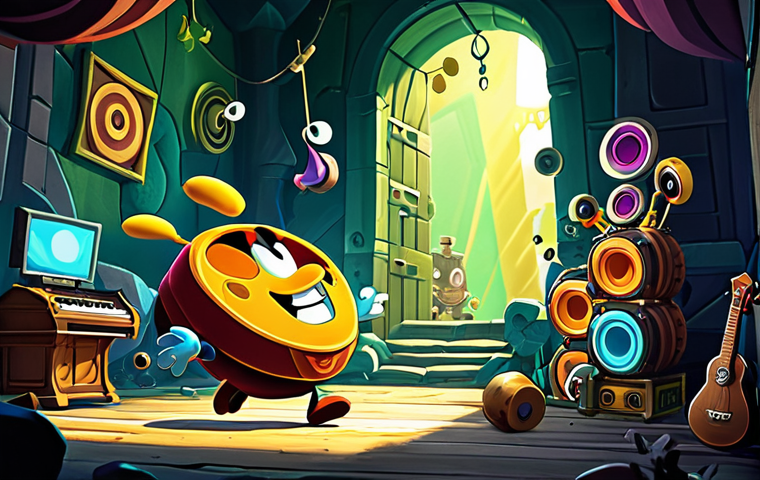
The shift to 3D was undoubtedly a bold move for the Rayman series. It allowed the developers to experiment with new gameplay mechanics and explore more complex environments.
However, some argue that this shift also led to a departure from the series’ core values. The focus shifted from precise platforming to a more action-oriented experience, and the character designs became more generic.
Personally, while I appreciated the ambition of the 3D games, they never quite captured the magic of the original. It felt like Rayman was trying to be something he wasn’t, instead of embracing what made him unique in the first place.
Gameplay Mechanics: How Rayman’s Moveset Has Changed Over Time
Rayman’s gameplay mechanics have undergone significant changes throughout the series. The original game emphasized precise platforming and exploration, with Rayman gradually acquiring new abilities as he progressed.
Mastering Rayman’s unique hover and punch abilities was crucial for navigating the challenging levels. The sequels introduced new gameplay mechanics such as combat, vehicle sections, and even temporary power-ups.
While these additions added variety to the gameplay, some fans felt that they detracted from the core platforming experience. I remember spending hours perfecting my timing in the original game, trying to collect every single Electoon.
The later games felt more forgiving, but they also lacked the same sense of accomplishment.
The Importance of Precision Platforming: Why It’s Still Relevant Today
Precision platforming is a staple of the Rayman series, and it’s something that many fans still appreciate today. The challenge of navigating intricate levels and overcoming obstacles requires skill and patience, but it’s also incredibly rewarding.
Games like “Celeste” and “Hollow Knight” have proven that there’s still a strong market for challenging platformers, and a new Rayman game could capitalize on this trend by focusing on precise movement and level design.
The key is to strike a balance between challenging gameplay and accessibility, ensuring that players of all skill levels can enjoy the experience.
The Impact of Power-Ups: Enhancing Gameplay or Overcomplicating It?
Power-ups have been a part of the Rayman series since the beginning, but their role has evolved over time. In the original game, power-ups were used sparingly and strategically, often requiring players to think creatively to overcome obstacles.
The sequels introduced a wider variety of power-ups, some of which felt unnecessary or even detrimental to the gameplay. While power-ups can add variety to the gameplay, they can also overcomplicate things and detract from the core platforming experience.
A new Rayman game should carefully consider the role of power-ups, ensuring that they enhance the gameplay without making it feel too easy or convoluted.
The Evolution of Rayman’s World: From Whimsical Lands to Sprawling Environments
Rayman’s world has undergone a significant transformation throughout the series. The original game featured a collection of vibrant and whimsical lands, each with its own unique theme and atmosphere.
From the lush jungles of the Dream Forest to the treacherous peaks of the Blue Mountains, every location felt distinct and memorable. The sequels introduced more sprawling environments, with interconnected levels and a greater sense of scale.
While these environments were impressive in their own right, some fans missed the charm and intimacy of the original game’s smaller, more focused levels.
I remember being captivated by the surreal beauty of the original game’s world, spending hours just exploring every nook and cranny. The later games felt more generic, lacking the same sense of wonder and discovery.
The Power of Limited Scope: Why Smaller Worlds Can Be More Engaging
While sprawling environments can be impressive, they can also feel overwhelming and impersonal. Sometimes, smaller, more focused worlds can be more engaging, allowing players to form a deeper connection with the characters and locations.
The original Rayman game is a perfect example of this, with its collection of distinct and memorable lands. A new Rayman game could benefit from a similar approach, focusing on creating a smaller, more intimate world that players can truly explore and appreciate.
The Allure of Exploration: Rewarding Curiosity and Discovery
Exploration has always been a key part of the Rayman series, and it’s something that many fans still appreciate today. The joy of discovering hidden secrets, uncovering new paths, and finding collectibles is a major draw for many players.
A new Rayman game should prioritize exploration, rewarding players for their curiosity and encouraging them to venture off the beaten path. This could involve hidden areas, challenging puzzles, and unique collectibles that unlock new content or abilities.
The key is to make exploration feel rewarding and worthwhile, ensuring that players always have a reason to explore every corner of the game’s world.
Character Design: The Changing Face of Rayman and His Friends
Rayman’s character design has evolved considerably throughout the series. The original game featured a simple yet iconic design, with Rayman’s limbless body and expressive face making him instantly recognizable.
The sequels introduced new character designs, some of which were well-received while others were met with criticism. Some fans felt that the later designs were too generic, lacking the unique charm and personality of the original.
I personally loved the quirky and endearing designs of the original characters, from Betilla the Fairy to Mr. Dark. The later characters felt less memorable, lacking the same level of personality and charm.
Maintaining Identity: Staying True to the Original Vision
Maintaining a consistent identity is crucial for any long-running franchise, and Rayman is no exception. While it’s important to evolve and adapt over time, it’s also important to stay true to the core values and principles that made the series successful in the first place.
This means carefully considering any changes to the character designs, ensuring that they align with the overall tone and aesthetic of the series. A new Rayman game should strive to strike a balance between innovation and tradition, paying homage to the original while also introducing new and exciting elements.
The Role of Supporting Characters: Adding Depth and Personality to the World
Supporting characters play a vital role in shaping the world of Rayman, adding depth and personality to the overall experience. The original game featured a cast of memorable characters, each with their own unique quirks and motivations.
The sequels introduced new supporting characters, some of whom were well-developed and engaging while others felt like afterthoughts. A new Rayman game should prioritize the development of its supporting characters, giving them meaningful roles to play in the story and ensuring that they contribute to the overall sense of immersion.
| Feature | Rayman (1995) | Rayman 2: The Great Escape | Rayman 3: Hoodlum Havoc | Rayman Origins | Rayman Legends |
|---|---|---|---|---|---|
| Gameplay Style | 2D Platformer | 3D Platformer | 3D Platformer | 2D Platformer | 2D Platformer |
| Visual Style | Hand-Drawn | Early 3D Graphics | Improved 3D Graphics | High-Definition Hand-Drawn | High-Definition Hand-Drawn |
| Difficulty | High | Moderate | Moderate | Moderate | Moderate |
| Focus | Precision Platforming | Exploration, Combat | Combat, Humor | Cooperative Gameplay | Cooperative Gameplay, Musical Levels |
The Sound Design: A Symphony of Whimsy and Adventure
The sound design of the Rayman series has always been a standout feature, contributing greatly to the overall atmosphere and immersion. The original game featured a whimsical and upbeat soundtrack that perfectly complemented the vibrant visuals.
The sound effects were equally memorable, from Rayman’s signature cry to the satisfying *pop* of collecting a Lum. The sequels introduced more orchestral and cinematic soundtracks, reflecting the shift towards larger and more epic adventures.
While these soundtracks were impressive in their own right, some fans missed the simplicity and charm of the original game’s music. I remember being completely entranced by the original game’s soundtrack, humming the tunes for days after playing.
The later soundtracks were good, but they didn’t have the same lasting impact.
The Power of Simplicity: Why Less Can Be More
Sometimes, less is more when it comes to sound design. The original Rayman game is a perfect example of this, with its simple yet effective sound effects and soundtrack.
The music was catchy and memorable, and the sound effects were perfectly suited to the on-screen action. A new Rayman game could benefit from a similar approach, focusing on creating a cohesive and engaging soundscape that complements the visuals and gameplay.
The Importance of Sound Effects: Enhancing Immersion and Feedback
Sound effects play a crucial role in enhancing immersion and providing feedback to the player. The original Rayman game featured a variety of memorable sound effects, from the satisfying *thwack* of Rayman’s punch to the eerie echoes of the caves.
These sound effects not only added to the atmosphere but also provided valuable feedback to the player, letting them know when they had successfully performed an action.
A new Rayman game should prioritize the design of its sound effects, ensuring that they are both engaging and informative.
The Future of Rayman: What’s Next for Our Limbless Hero?
The future of Rayman remains uncertain, but there’s no doubt that the series still has a lot to offer. The recent success of “Rayman Legends” proves that there’s still a strong demand for 2D platformers, and a new Rayman game could capitalize on this trend.
Whether it’s a return to the series’ roots or a bold new direction, there are many possibilities for the future of Rayman. I personally would love to see a new 2D Rayman game that combines the hand-drawn beauty of the original with modern technology and design sensibilities.
The potential is there, and I’m hopeful that we’ll see Rayman return in a big way someday.
A Return to Form: Reimagining the Original for a Modern Audience
One possibility for the future of Rayman is a reimagining of the original game for a modern audience. This could involve updating the visuals, refining the gameplay, and adding new content while staying true to the spirit of the original.
A reimagining could also serve as a way to introduce new players to the series, bridging the gap between older fans and a new generation of gamers. The key is to strike a balance between nostalgia and innovation, ensuring that the reimagining feels both familiar and fresh.
Embracing the Unknown: Exploring New Genres and Gameplay Styles
Another possibility for the future of Rayman is to explore new genres and gameplay styles. This could involve experimenting with different perspectives, mechanics, and even narrative structures.
While it’s important to stay true to the series’ core values, it’s also important to be open to new ideas and possibilities. A new Rayman game could surprise and delight fans by taking the series in a direction that no one expects.
The key is to be creative and innovative, pushing the boundaries of what Rayman can be.
In Conclusion
Reflecting on Rayman’s journey, it’s clear that the series has left an indelible mark on gaming. From its innovative beginnings to its modern iterations, Rayman has consistently charmed players with its unique style and engaging gameplay. The future is ripe with possibilities, and as fans, we can only hope that Rayman will grace our screens once more, bringing with him the magic that has captivated us for so many years. Here’s to hoping for a bright future for our limbless hero!
Useful Information
1. Rayman Origins and Legends: These are widely considered the best modern Rayman games, known for their stunning visuals, fluid gameplay, and cooperative multiplayer.
2. Michel Ancel: The creator of Rayman, Michel Ancel, is a visionary game designer known for his innovative ideas and artistic style. Following his work on Rayman, he also created the critically acclaimed “Beyond Good & Evil”.
3. UbiArt Framework: This is the engine used to create Rayman Origins and Legends, known for its ability to produce beautiful, hand-drawn-style graphics with ease.
4. “Teensies”: These are small, whimsical creatures that often appear in Rayman games, adding to the series’ quirky charm and sense of humor.
5. Collecting Lums: Lums are a recurring collectible in the Rayman series. Gathering enough Lums often unlocks new content or areas, encouraging exploration.
Key Takeaways
The Rayman series has evolved significantly over the years, with notable changes in visual style, gameplay mechanics, world design, character design, and sound design.
While the shift to 3D was a bold move, many fans still long for a return to the 2D platforming roots of the original game.
The sound design of the series has always been a standout feature, contributing greatly to the overall atmosphere and immersion.
The future of Rayman remains uncertain, but there are many possibilities for the series, including a reimagining of the original game or an exploration of new genres and gameplay styles.
Maintaining a balance between innovation and tradition is crucial for the future success of the Rayman series.
Frequently Asked Questions (FAQ) 📖
Q: What made the original Rayman so special compared to other platformers of its time?
A: Honestly, stepping into Rayman’s world back in ’95 felt like pure magic. Forget your stoic, pixelated heroes; Rayman was all about vibrant colors and this crazy, fluid animation.
The no-limbs thing wasn’t just a gimmick; it allowed for some seriously innovative gameplay. Plus, the difficulty was no joke! I remember spending hours trying to perfect my jumps and punches.
It wasn’t just another platformer; it had this unique charm and challenge that really grabbed you.
Q: Why did the Rayman series change so much after the original game?
A: That’s the million-dollar question, isn’t it? My take is that the industry itself was changing. 3D gaming was the hot new thing, and I think Ubisoft felt pressured to evolve Rayman to stay competitive.
Plus, new generations of gamers were coming up who maybe didn’t appreciate the old-school difficulty as much. Whether it was a good move or not is debatable (I personally miss the 2D glory days!), but you can see the logic behind trying to keep the series fresh and relevant.
Q: With so many remakes and reimaginings of classic games these days, what are the chances we’ll see a return to the original Rayman formula?
A: Fingers crossed, right? I’d say the chances are pretty good, actually. The whole nostalgia wave is in full swing, and people are craving those classic gaming experiences.
Plus, the success of games like Cuphead proves that there’s still a huge appetite for challenging 2D platformers with a unique art style. Whether it’s a full-blown remake or a new game that captures the spirit of the original, I’m definitely hopeful that Rayman will return to his roots in some way.
I’d be first in line to buy it!
📚 References
Wikipedia Encyclopedia
구글 검색 결과
구글 검색 결과
구글 검색 결과
구글 검색 결과
구글 검색 결과