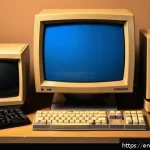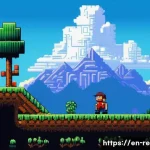
Hey there, fellow retro adventurers! You know, sometimes the most incredible gaming experiences aren’t found in today’s flashy releases, but tucked away in the forgotten corners of computing history.
If you’ve ever felt that itch for something truly unique, something that feels like stepping into a parallel universe of pixelated wonder, then you absolutely need to journey back to the era of the NEC PC-98.
For years, as I explored the vast landscape of vintage PCs, I kept hearing whispers about this mysterious Japanese machine, a true behemoth that dominated its home market for over a decade, quietly creating a gaming culture distinct from anything we saw in the West.
It wasn’t just another computer; the PC-98 carved out its own niche with a proprietary architecture, boasting impressive graphics and sound capabilities that allowed for breathtaking pixel art and unforgettable soundtracks, especially within its rich library of visual novels, JRPGs, and those iconic bullet-hell shooters.
When I first delved into these titles, I was genuinely amazed by the sheer creativity and depth on display, a testament to what developers could achieve even with what we now consider ‘limited’ hardware.
The charm of its distinct visual style and often innovative storytelling has left a lasting impact, influencing genres that continue to thrive today. And guess what?
This isn’t just about dusty old hardware anymore! Thanks to a passionate community and some fantastic emulation tools, these hidden gems are more accessible than ever, sparking a whole new wave of appreciation among modern gamers.
It’s a goldmine of experiences waiting to be rediscovered, offering a fresh perspective on what made early PC gaming so special and truly highlighting why these classics deserve a spot in our hearts.
Ready to uncover some legendary titles that shaped an entire generation of Japanese gaming? Let’s dive deeper into it below and unearth the best of the PC-98’s incredible legacy!
Unearthing the Visual Novel Goldmines: Where Stories Came Alive
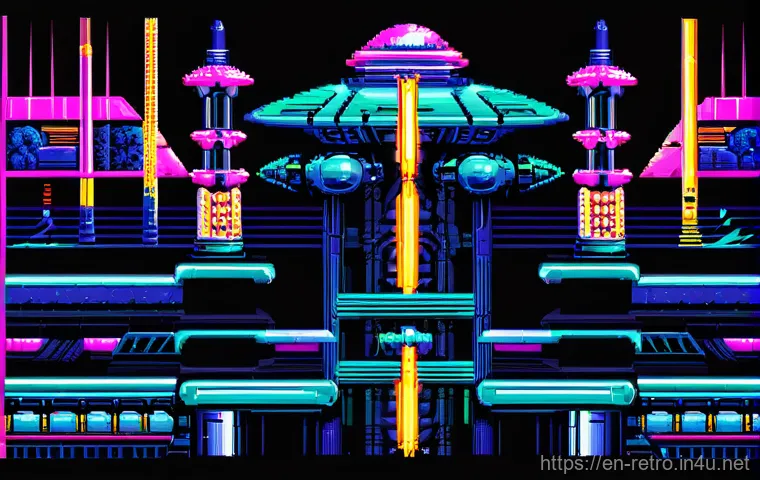
Stepping into the world of PC-98 visual novels was, for me, like discovering a secret garden filled with stories I never knew existed. Back when I first delved into these gems, I was genuinely floored by the depth of narrative and the sheer emotional impact they managed to achieve, often with limited graphical fidelity by today’s standards. This wasn’t just about reading text; it was about immersing myself in intricate plots, rich character development, and choices that genuinely felt like they mattered. Many of these titles, especially those from the early ’90s, pioneered storytelling techniques that we now see as standard in modern adventure games. I remember countless nights spent glued to my screen, captivated by the unfolding mysteries and dramatic turns, often staying up way past my bedtime just to see what happened next. It’s a testament to the power of a well-crafted story that these games still resonate so strongly, even decades later. Their influence on the burgeoning anime and manga scene of the time, and consequently on global pop culture, is undeniable. If you’re a fan of narrative-driven experiences, the PC-98’s visual novel library is a treasure trove waiting to be explored.
The Pioneers of Interactive Storytelling
When we talk about the genesis of visual novels, the PC-98 is an undeniable cornerstone. Companies like Leaf and AliceSoft, among others, truly pushed the boundaries of what was possible on a personal computer, creating interactive experiences that blurred the lines between novels, movies, and games. I vividly recall the first time I played through a translated PC-98 visual novel and realized that the branching narratives and character relationships were far more sophisticated than anything I’d encountered in Western gaming at the time. It wasn’t just about static images and text; artists poured their hearts into detailed character sprites and evocative background art, drawing you deeper into their worlds. The distinct pixel art style, often with its limited color palettes, somehow managed to convey more emotion and atmosphere than many higher-fidelity games from other platforms. This creative constraint often led to some truly ingenious artistic decisions, proving that innovation thrives even under limitations.
More Than Just Text: The Emotional Core
What truly sets many PC-98 visual novels apart, in my humble opinion, is their incredible ability to evoke strong emotions. From heartwarming romances to chilling psychological thrillers, these games didn’t shy away from complex themes and mature storytelling. I’ve found myself genuinely invested in the characters’ plights, celebrating their triumphs and feeling their sorrows as if they were my own friends. The soundtracks, often composed using the PC-98’s unique sound chip capabilities, play a massive role here, too. The haunting melodies and stirring compositions elevate the narrative, creating an atmosphere that sticks with you long after you’ve turned off the emulator. It’s an emotional rollercoaster, and I wouldn’t trade those late-night sessions for anything. For anyone looking to truly understand the roots of modern narrative gaming, diving into these classics is a must-do.
Bullet Hell Bonanza: Dodging Pixels Like a Pro
Oh, the glorious, chaotic ballet of bullet hell shooters on the PC-98! If you’ve never experienced the sheer intensity of a well-crafted Touhou Project game or one of its contemporaries on this platform, you’ve honestly missed out on a core piece of gaming history. For me, these games weren’t just about fast reflexes; they were an exercise in pattern recognition, precision, and a kind of zen-like focus amidst utter pandemonium. I’ve spent countless hours trying to weave my tiny spaceship through seemingly impenetrable walls of projectiles, feeling that incredible rush when I finally cleared a particularly challenging stage. The PC-98’s unique hardware, especially its high-resolution display capabilities for the era, allowed developers to pack the screen with an astonishing number of sprites and bullets, giving birth to a genre that thrived on visual overload. It’s an adrenaline junkie’s dream, and the sheer satisfaction of a perfect run is something truly special.
The Birthplace of Touhou and Its Kin
It’s impossible to talk about PC-98 bullet hell without immediately thinking of the early Touhou games. These titles, almost single-handedly created by ZUN, defined an entire subgenre and cultivated a massive, passionate fanbase that continues to thrive today. I remember the excitement of discovering these games and realizing just how unique and challenging they were compared to anything else I’d played. But Touhou wasn’t alone; many other developers contributed to the PC-98’s robust shmup library, each bringing their own distinct flair to the genre. From vertically scrolling to horizontally scrolling, these games offered a diverse range of challenges and aesthetics. The pixel art, often vibrant and detailed despite technical limitations, made every explosion and every boss battle feel incredibly impactful. It’s a style that feels both retro and timeless simultaneously.
Precision and Punishment: The Shmup Challenge
What makes PC-98 bullet hells so endlessly replayable, even for a seasoned gamer like myself, is that perfect blend of precision and punishment. These games demand absolute mastery of your chosen vessel, requiring split-second decisions and an almost uncanny ability to predict enemy movements and bullet patterns. There’s no hand-holding here; you’re thrown into the thick of it, and only through repeated attempts and careful observation do you truly improve. I’ve screamed in frustration at my monitor countless times, only to immediately hit ‘retry’ because I knew I could do better. That addictive loop of challenge and improvement is a core part of their enduring appeal. The intricate scoring systems also add another layer of depth, turning each play-through into a quest for a higher score, pushing you to perfect your strategies and take calculated risks. It’s a genre that truly rewards dedication.
JRPGs with a Twist: A Different Flavor of Adventure
My journey into the PC-98’s JRPG catalog revealed a fascinating divergence from the console RPGs I grew up with. While some core elements remained – epic quests, diverse parties, and turn-based combat – there was an undeniable experimental streak running through many of these titles. Developers often leaned into more mature themes, intricate dungeon designs, and sometimes, a steeper learning curve than their console counterparts. I distinctly remember getting lost in the labyrinthine dungeons of some of these games, poring over maps and feeling a genuine sense of accomplishment when I finally reached my objective. It wasn’t just about grinding levels; it was about exploration, puzzle-solving, and a deeply atmospheric world-building that truly pulled me in. These JRPGs often felt more personal, more intimate, perhaps due to the smaller development teams or the platform’s niche appeal. They offer a refreshing contrast to the often more streamlined experiences found elsewhere.
Unique Approaches to Familiar Formulas
One of the most striking aspects of PC-98 JRPGs is their willingness to deviate from established norms. While you’ll find plenty of classic sword-and-sorcery adventures, you’ll also stumble upon titles that blend genres, incorporate elements of visual novels, or introduce combat systems that feel surprisingly fresh even today. I’ve encountered games that integrated real-time strategy elements into their battles, or others that placed a heavier emphasis on resource management and base building. This willingness to experiment truly makes exploring the library an adventure in itself. It’s like stepping into an alternate reality where JRPGs took a slightly different evolutionary path. The sheer variety kept me constantly engaged, never quite knowing what unique mechanics or narrative twists I’d encounter next, a feeling that sometimes feels missing in today’s more homogenized gaming landscape.
Deep Dungeons and Deeper Lore
If there’s one thing PC-98 JRPGs excel at, it’s creating incredibly atmospheric and often challenging dungeons. These aren’t just corridors to traverse; they are intricate mazes filled with traps, hidden passages, and formidable foes. I can’t tell you how many times I’ve had to carefully map out my progress on graph paper (yes, actual paper!) to avoid getting hopelessly lost. This level of engagement, while perhaps not for everyone, was incredibly rewarding. Beyond the dungeons, many of these games boast remarkably deep lore and world-building, painting vivid pictures of fantastical realms brimming with unique cultures and complex political intrigues. The commitment to crafting these immersive worlds is something I truly admire, and it’s what makes these adventures so memorable. It’s a testament to the developers’ passion that they invested so much into creating such rich and detailed universes, often with limited resources.
The Unique Aesthetic: Why PC-98 Graphics Stand Out
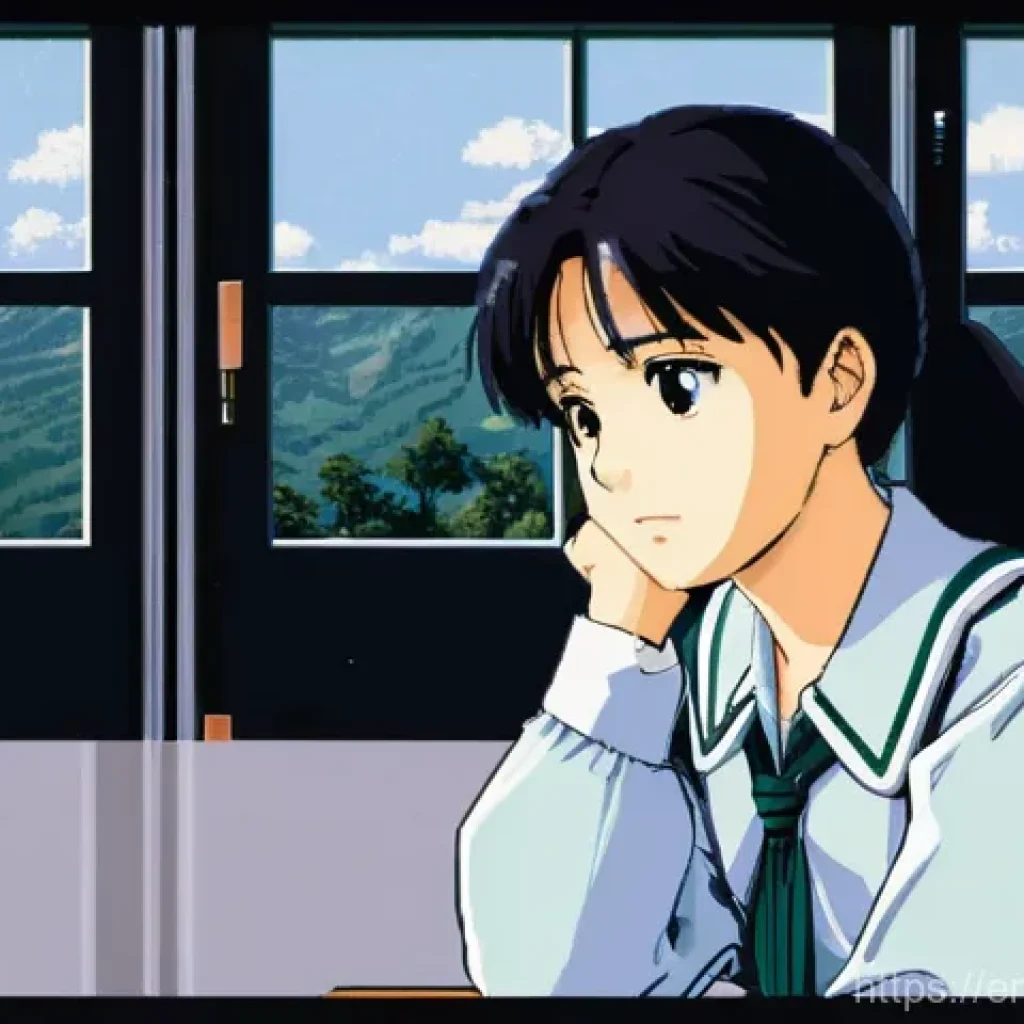
When I first encountered PC-98 games, I was immediately struck by their distinct visual identity. It’s a pixel art style that, while undeniably retro, possesses a charm and sophistication that sets it apart from other 8-bit or 16-bit eras. The often higher resolution (640×400 was common) combined with unique color palettes gave games on the platform a particular crispness and vibrancy. I remember being mesmerized by the intricate details in character portraits and environmental backgrounds, details that felt more akin to traditional illustrations than mere pixels. It’s a style that prioritizes clear lines and careful shading, creating an almost ‘drawn’ look that feels both warm and nostalgic. This visual signature is part of what makes the PC-98 experience so memorable and instantly recognizable. It wasn’t about raw power or polygon counts; it was about artistic ingenuity within technical boundaries.
Pixel Artistry and Palettes
The pixel artists who worked on PC-98 titles were true masters of their craft. They understood how to maximize the impact of every single pixel, often working with custom palettes that lent a unique mood and atmosphere to each game. I’ve spent hours just admiring the background art in some visual novels, noticing the subtle gradients and clever dithering techniques used to simulate a far greater color depth than was technically available. This meticulous attention to detail is what gives many PC-98 games their timeless appeal. It’s not just about replicating reality; it’s about conveying emotion and atmosphere through careful artistic choices. The color choices often leaned towards a more muted, sophisticated range compared to the often brighter, more saturated colors found on contemporary consoles, giving them a distinctly artistic and often melancholic feel.
An Influence on Modern Indie Games
It’s fascinating to see how the PC-98’s aesthetic continues to influence modern indie game developers. Many contemporary pixel art games draw clear inspiration from the visual sensibilities of this era, proving that good design is truly timeless. When I play a new indie title with that familiar, crisp pixel style, I often think back to the PC-98 games that pioneered it. It’s a testament to the enduring appeal of this unique look. The combination of high resolution for the era, distinctive color usage, and a focus on detailed, hand-crafted pixel art has left an indelible mark on game art history, and its legacy lives on in new creations. It truly goes to show that innovative design, even from decades past, can inspire future generations of creators and gamers alike.
Emulation Nation: Bringing These Classics to Your Modern Setup
For years, enjoying PC-98 games felt like an exclusive club, requiring arcane knowledge and often expensive, aging hardware. But, oh, how times have changed! Thanks to the tireless efforts of dedicated communities and brilliant developers, these incredible classics are now more accessible than ever through emulation. I remember the sheer joy when I finally got my first PC-98 emulator running smoothly on my modern PC. It was like unlocking a hidden library, and the ease of setting up these virtual machines has only improved over time. No more wrestling with floppy drives or obscure Japanese operating systems – just pure, unadulterated retro gaming goodness. The best part? You don’t need a super-powerful gaming rig to run these; most modern computers can handle them without breaking a sweat. It’s truly a golden age for retro enthusiasts, where barriers to entry have been significantly lowered, allowing a whole new generation to discover these hidden treasures.
The Tools of the Trade: Neko Project II and More
When it comes to PC-98 emulation, Neko Project II is often the go-to choice, and for good reason. It’s robust, relatively easy to configure, and supports a vast majority of the PC-98 library. I’ve personally spent countless hours tweaking settings and getting games to run just right with NP2, and the feeling of success when a particularly stubborn title finally boots up is incredibly satisfying. But it’s not the only option! There are other emulators and frontends available, each with its own strengths, catering to different user preferences. Exploring these tools has become a mini-hobby in itself, and I always encourage fellow retro gamers to experiment and find what works best for them. The community support for these emulators is also phenomenal, with forums and guides readily available to help you navigate any technical hiccups you might encounter.
Community Driven Preservation and Translation
Perhaps the most heartwarming aspect of PC-98 emulation is the incredible community behind it. These dedicated individuals spend countless hours translating games, archiving obscure software, and creating patches to make these vintage titles compatible with modern systems. I’ve been amazed by the passion and skill shown by these unsung heroes. Without their efforts, many of these masterpieces would remain locked away, inaccessible to non-Japanese speakers. It’s a true labor of love, driven by a desire to share these unique experiences with a global audience. This collaborative spirit is what makes the retro gaming community so special, and it’s why platforms like the PC-98 continue to find new life and appreciation decades after their original release. It’s a beautiful example of how shared passion can overcome geographical and linguistic barriers.
Beyond Gaming: The PC-98’s Enduring Legacy
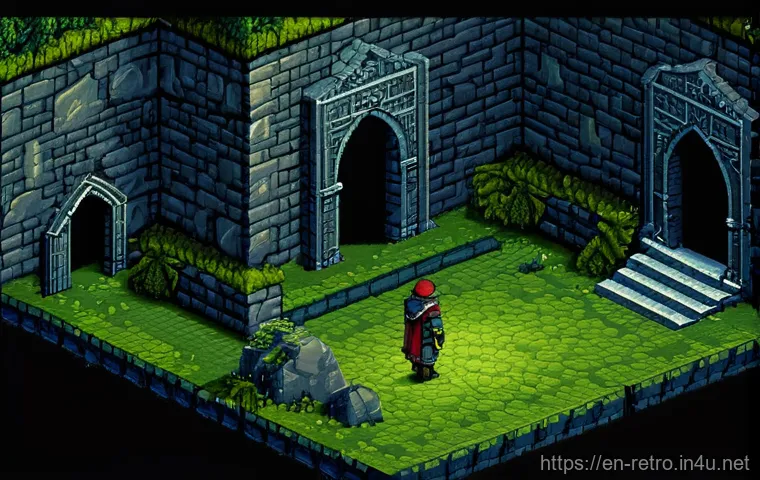
While we often focus on the incredible games, it’s crucial to remember that the NEC PC-98 series was far more than just a gaming machine; it was a dominant computing platform in Japan for well over a decade. Its influence extends deeply into Japanese software development, business applications, and even cultural production. I sometimes find myself thinking about how fundamentally different Japan’s computing landscape was compared to the West during the 80s and 90s, largely due to the PC-98’s ubiquitous presence. It powered offices, schools, and homes, fostering a unique ecosystem of software and hardware development that has left a lasting impact. Understanding its broader role helps to put its gaming legacy into even greater perspective. It wasn’t just a niche product; it was a computing powerhouse that shaped an entire generation’s interaction with technology.
A Foundation for Japanese Software Development
The PC-98 served as the training ground for countless Japanese programmers and developers, many of whom went on to shape the global tech and gaming industries. I’ve read interviews with veteran Japanese developers who credit their foundational skills and early career experiences directly to working on the PC-98. Its proprietary architecture meant that developers had to intimately understand the hardware to squeeze out every bit of performance, leading to incredibly optimized and innovative software solutions. This intense period of development fostered a unique problem-solving ethos and a deep understanding of system-level programming that had a ripple effect across the entire industry. It truly laid the groundwork for Japan’s reputation as a technological innovator. It’s a fascinating look into the localized evolution of computing, distinct from the IBM PC compatible world.
Cultural Icon and Nostalgic Reverie
For many Japanese individuals, the PC-98 is more than just an old computer; it’s a powerful symbol of their youth and a touchstone of their cultural history. It evokes a strong sense of nostalgia, similar to how many Westerners might feel about systems like the Commodore 64 or Apple II. I’ve seen passionate discussions online and in person about specific PC-98 games or software, highlighting the deep emotional connection people have to this machine. This cultural significance extends beyond just gaming; it touches on art, music, and social trends of the era. The distinct visual and auditory characteristics of the PC-98 are instantly recognizable to those who grew up with it, conjuring up memories of a simpler, yet incredibly vibrant, time. It’s a beautiful example of how technology can intertwine with personal and national identity.
| Category | Notable PC-98 Impact / Feature | Why It Matters to Gamers |
|---|---|---|
| Visual Novels | Pioneered deep narrative structures and emotional storytelling. | Access to a vast library of complex, mature, and influential interactive stories. |
| Bullet Hell Shmups | Birthplace of iconic series like Touhou Project; high sprite count. | Unparalleled challenging action and unique pixel-art driven chaos. |
| JRPGs | Experimental mechanics, intricate dungeons, mature themes. | Offers a fresh, often more challenging, perspective on the genre compared to console counterparts. |
| Graphics | High resolution (640×400) and distinctive pixel art style. | Unique aesthetic that influenced modern indie games and stands out even today. |
| Sound | Unique sound chips (FM Synthesis, PSG) enabling rich, atmospheric music. | Memorable soundtracks that perfectly complement game atmospheres and enhance immersion. |
My Personal Picks: Must-Play Titles to Start Your Journey
Alright, so you’re convinced and ready to dive into the wonderful world of PC-98 gaming, but where do you even begin? Trust me, the sheer volume of titles can be a bit overwhelming at first. That’s why I wanted to share a few of my absolute favorites, the games that truly captured my imagination and that I believe offer a fantastic entry point into this unique platform. These aren’t just obscure recommendations; these are titles that genuinely showcase the best of what the PC-98 had to offer, whether you’re into gripping stories, intense action, or strategic depth. I’ve spent countless hours with these games, and they continue to hold a special place in my retro gaming heart. Think of these as your personal guided tour to some of the most essential experiences available on this amazing machine.
For the Narrative Lovers: Explore the Unknown
If your heart beats for incredible stories, you absolutely *must* check out titles like Policenautsor Snatcher. While these later got console ports, their PC-98 originals often have unique nuances and a distinct charm. I remember playing through Policenautson the PC-98 for the first time and being completely captivated by its cinematic presentation and intricate plot. The pixel art here is simply phenomenal, and the writing is top-notch. Another fantastic choice would be some of the early Doukyuuseivisual novels, which, while sometimes controversial, were pioneers in their genre and offer a fascinating glimpse into the social dynamics and storytelling trends of the era. These games are not just entertainment; they’re cultural artifacts that provide insight into a specific time and place in gaming history.
For the Action Aficionados: Test Your Reflexes
If you’re anything like me and crave a good challenge, then the PC-98’s bullet hell shooters are calling your name. You absolutely cannot skip the early Touhou Projectgames, starting with titles like Highly Responsive to Prayersor Story of Eastern Wonderland. These are the foundations of a legendary series, and experiencing them in their original form is truly special. I remember the sheer exhilaration of dodging hundreds of bullets, feeling my heart pound with every near-miss. Beyond Touhou, look for games from developers like Amusement Makers or Compile. While perhaps less known outside of Japan, their offerings are often incredibly polished and provide that satisfying, white-knuckle intensity that defines the genre. Be prepared to die a lot, but also be prepared for immense satisfaction when you finally master a level!
The Undeniable Allure: Why PC-98 Gaming Endures
So, why does the PC-98 continue to captivate retro gamers and enthusiasts like myself, even in an age of hyper-realistic graphics and sprawling open worlds? It’s a question I often ponder, and the answer, I believe, lies in its unique blend of artistry, innovation, and a distinct cultural flavor. There’s something undeniably magical about diving into a computing ecosystem that developed largely in parallel to what we experienced in the West. It offers a fresh perspective, a road less traveled, and a treasure trove of experiences that feel genuinely different. I’ve found that exploring the PC-98 library isn’t just about playing old games; it’s about connecting with a vibrant period of creative output, understanding the roots of many modern genres, and appreciating the ingenuity of developers working within specific technological constraints. It’s an exploration of a parallel gaming universe.
A Window into a Different Gaming History
For me, the PC-98 isn’t just a collection of games; it’s a historical artifact that provides a fascinating window into an alternative gaming history. It highlights how different cultural contexts and technological paths can lead to entirely unique forms of entertainment. When I play these games, I’m not just consuming content; I’m participating in a historical discovery, learning about the evolution of game design through a distinctly Japanese lens. This historical perspective enriches my appreciation for gaming as a whole and reminds me that innovation isn’t always linear or confined to the most dominant platforms. It’s a humbling and enlightening experience that constantly broadens my understanding of the medium, making me feel like a true digital archaeologist unearthing ancient wonders.
The Joy of Rediscovery and New Experiences
Perhaps the most compelling reason the PC-98 endures is the sheer joy of rediscovery. For those new to the platform, every game is a potential revelation, a brand-new experience waiting to unfold. For veterans, it’s about revisiting cherished memories and finding new layers of appreciation for these classics. I’ve often returned to titles I played years ago and found myself noticing subtle design choices or narrative nuances I missed before. The passionate community surrounding the PC-98 ensures that new translations and resources are constantly emerging, making the journey of exploration ever-evolving. It’s a testament to the quality and depth of these games that they can continue to offer fresh perspectives and engaging challenges decades after their initial release. There’s always something new to find, always a new story to uncover, and that, my friends, is truly priceless.
Wrapping Things Up
Diving into the PC-98 universe has been an absolute blast, a journey filled with unexpected delights and deep dives into gaming history. It’s a testament to the creativity and passion of those original developers that these games continue to resonate with us today, offering experiences that feel both nostalgic and surprisingly fresh. I truly hope this peek into the PC-98’s golden era has sparked your curiosity and inspired you to explore some of these fantastic titles for yourself. It’s a rich, vibrant world just waiting for new adventurers.
Useful Info to Get Started
1. So you’re itching to experience these classics, right? My first piece of advice is to embrace emulation. Trust me, it’s far easier and more reliable than trying to get original hardware running. Programs like Neko Project II are your best friends here. They’ve come a long way, and with a little setup, you’ll be enjoying pixelated masterpieces in no time. Just search for “Neko Project II setup guide” on YouTube; there are tons of fantastic, easy-to-follow tutorials that will walk you through the entire process, from downloading the emulator to configuring your first game. It genuinely opens up a world of gaming that many people simply don’t even know exists, and the feeling of booting up a classic for the first time on your modern machine is incredibly satisfying.
2. When it comes to finding games, legality and ethics are super important. Many older PC-98 titles are considered “abandonware” by the community, meaning they’re no longer commercially available, but always check local laws and developer wishes where possible. Dedicated retro gaming archives and community-driven preservation sites are often the best places to look for legitimate avenues to acquire disk images. I’ve found that joining active retro gaming forums or Discord servers specializing in PC-98 content can also lead you to invaluable resources and helpful individuals who are passionate about preserving this history. It’s all about respecting the creators while still enjoying these historical artifacts responsibly.
3. Don’t be afraid of the language barrier, even if you don’t speak Japanese! The amazing fan translation community has worked tirelessly on countless visual novels and RPGs, making them accessible to a global audience. Before you start a game, do a quick search to see if a fan translation patch exists. Often, these patches are incredibly well-done and completely transform the experience, allowing you to fully immerse yourself in the story and lore. There’s nothing quite like finally understanding the intricate plot of a game you’ve admired from afar for years, and these dedicated translators make that dream a reality for so many of us. It truly highlights the power of a passionate community.
4. Join the community! Seriously, connecting with other PC-98 enthusiasts is half the fun. There are numerous subreddits, forums, and Discord servers dedicated to retro Japanese computing. Sharing your discoveries, asking for recommendations, or troubleshooting an emulator issue with experienced folks can significantly enhance your enjoyment. I’ve personally made some great online friends through these communities, bonding over shared nostalgia and the excitement of unearthing forgotten gems. It’s a wonderful way to deepen your knowledge, find obscure titles you might have otherwise missed, and feel like you’re part of a shared historical exploration, rather than just playing games solo.
5. Finally, be prepared for a different kind of gaming experience. PC-98 games often have a unique pacing, different UI conventions, and sometimes a higher difficulty curve compared to modern titles. Embrace it! This is part of their charm. Don’t go in expecting a AAA modern game; instead, approach it with an open mind and appreciate the ingenuity within the technological constraints of the era. The reward is a truly unique journey into a rich, often overlooked, corner of gaming history that will broaden your appreciation for how far games have come and how much incredible creativity existed in the past. It’s a chance to truly step back in time and witness a different evolutionary path for video games.
Key Takeaways
Ultimately, the PC-98 isn’t just about playing old games; it’s about uncovering a vital, yet often overshadowed, chapter in computing and gaming history. My journey through its library has cemented my belief in the enduring power of creative constraints, the emotional impact of well-crafted stories, and the sheer fun of a challenging gameplay loop. These titles offer more than just entertainment; they provide a fascinating lens through which to view the unique cultural and technological landscape of 80s and 90s Japan, a perspective that’s incredibly valuable for any true gaming aficionado. What truly stands out for me is the incredible artistry in their pixel graphics and sound, proving that technical limitations often breed the most innovative and memorable designs, leaving an indelible mark that continues to inspire. It’s a treasure chest of unique experiences waiting for you to unlock!
Frequently Asked Questions (FAQ) 📖
Q: What exactly is the NEC PC-98, and why haven’t I heard much about it in Western retro gaming circles?
A: h, this is a fantastic question, and it gets right to the heart of the PC-98’s unique story! So, the NEC PC-98, or more accurately, the PC-9800 series, was a line of 16-bit and 32-bit personal computers primarily manufactured by NEC in Japan from 1982 all the way up to 2003.
Now, if you’re like me, you probably grew up with the IBM PC compatibles or maybe an Amiga or Atari ST if you were really into computing in the West. The PC-98, however, was a world unto itself, becoming the undisputed king of the Japanese home computer market, at one point accounting for over 45% of it and selling a staggering 18.3 million units!
Imagine that kind of market dominance, but almost entirely contained within one country!
The main reason it was such a phenomenon in Japan but largely unknown in the West boils down to a few key factors.
First, NEC was incredibly proactive, releasing new variations almost every year, constantly keeping up with and often surpassing the competition with updated hardware.
But more crucially, the PC-98 was designed from the ground up to handle the complexities of the Japanese language, specifically supporting multiple writing systems like Kanji, Kana, and Hiragana, which early Western PCs struggled with.
This specialized design made it perfectly suited for the Japanese market, where it was able to offer a familiar computing experience while still being somewhat compatible with the IBM PC standard using Intel CPUs, and even running localized versions of MS-DOS and early Windows.
It was a strategic move that allowed NEC to create a proprietary ecosystem that Japanese users loved, and honestly, when you dive in, you’ll understand why it created such a distinct and cherished gaming culture that many of us in the West are only just now truly appreciating.
Q: What kind of games can I expect to find on the PC-98, and what makes them stand out from other retro platforms?
Oh, this is where the PC-98 really shines, my friends! If you’re looking for a treasure trove of unique retro experiences, this is it. The PC-98’s library is incredibly diverse, but it truly excels in a few specific genres that honestly defined Japanese PC gaming for a generation. You’ll find an abundance of deep, intricate visual novels, many of which pioneered narrative techniques and storytelling complexity that influenced modern visual novels and anime. Games like YU-NO:
A: Girl Who Chants Love at the Bound of this World are legendary for their branching storylines and mature themes.
Then there are the Japanese Role-Playing Games (JRPGs), which often feature incredible pixel art and compelling worlds, building on the legacy of titles like the Ysseries (though Ys started on the PC-88, it had many sequels on PC-98) and lesser-known but equally captivating titles like 46 Okunen Monogatari: The Shinka Ron(which actually inspired the SNES game, E.V.O.: Search for Eden!).
And let’s not forget the iconic bullet-hell shooters! You might be surprised to learn that the original Touhou Projectgames, those frantic, pattern-based shooters, actually started their life on the PC-98, laying the groundwork for one of the most beloved doujin series ever.
Beyond these, there are action platformers like Rustyand Popful Mail, and even some surprisingly robust adventure games like Konami’s Policenauts.
What makes them stand out, you ask?
It’s the unique blend of its proprietary hardware. The PC-98 boasted a higher display resolution for its time, typically 640×400, which allowed for incredibly detailed pixel art, often with a distinct “90s anime charm.” Coupled with Yamaha FM synthesis sound chips from the early 80s, these games offered rich, layered soundtracks that were often far superior to what you’d find on Western PCs, giving many titles an unforgettable audio-visual identity.
When I first heard a PC-98 soundtrack, it was like a revelation – a completely different, yet equally vibrant, sonic landscape compared to the chiptunes or basic AdLib sounds I was used to.
Q: I’m intrigued! How can I start experiencing these PC-98 classics today, especially if I don’t own the original hardware?
A: wesome! That’s the spirit! And you absolutely don’t need a vintage PC-98 unit taking up space (though, I admit, the thought is tempting for a collector like me!).
Thanks to the tireless efforts of a dedicated community, these “hidden gems” are more accessible than ever through emulation. It’s genuinely a fantastic way to dive into this unique corner of retro gaming history.
The go-to emulator for the PC-98 is generally Neko Project II (NP2)or its various forks like Neko Project II kai.
It’s available for Windows, and you can even get cores for it in RetroArch, meaning you could potentially play these games on a variety of modern devices, including some Android phones!
Setting it up might seem a tiny bit daunting at first compared to, say, a console emulator, because you’ll need the correct BIOS files and an understanding of how disk images (often .fdi for floppy disks or .hdi for hard drive images) work.
But trust me, once you get past that initial hurdle, it’s incredibly rewarding. There are plenty of fantastic community-made guides and resources out there that walk you through the setup process step-by-step.
I’ve personally spent hours tweaking settings to get that perfect retro feel, and it’s all part of the fun!
As for finding games, the retro gaming community is incredibly supportive.
Many sites host archives of PC-98 software, including fan-translated visual novels and RPGs, which is a game-changer if you don’t speak Japanese. Just a quick search for “PC-98 ROMs” or “PC-98 fan translations” will open up a whole new world.
I’d highly recommend starting with some of the more well-known translated titles to ease into the experience. The passion of these communities has made it possible for an entire generation of games to be rediscovered and enjoyed globally, and honestly, that’s one of the coolest things about retro gaming today!